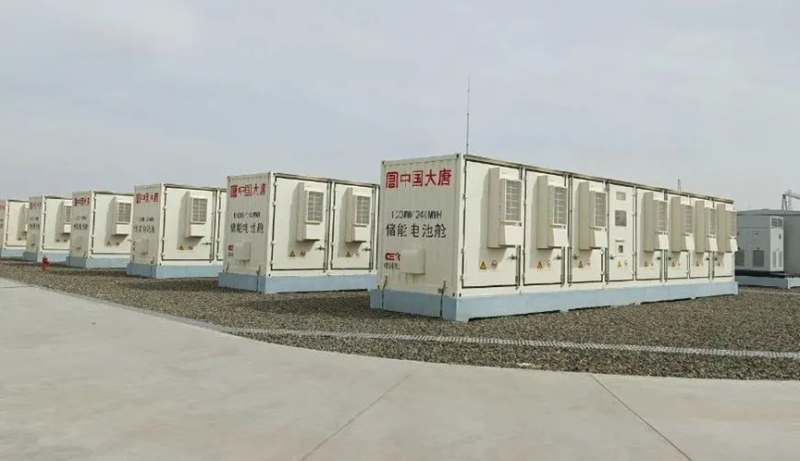
Across global power infrastructures, utility scale battery storage systems have become integral operational assets. Their deployment answers specific, pressing needs within the generation and distribution sectors. The implementation of utility scale battery storage is defined by a set of core grid services that enhance reliability and enable the integration of renewable resources. Companies like HiTHIUM engineer their products to perform these precise functions, focusing on the technical requirements that grid operators prioritize daily.
Supporting Power Generation Operations
A primary application for these systems is found on the generation side. Here, utility scale energy storage systems perform peak shaving, dynamic support, and system frequency regulation. A critical function is facilitating the integration of renewable energy sources. By leveraging high-reliability batteries and sophisticated Battery Management Systems (BMS), providers can offer solutions that help stabilize the grid. These systems optimize power output profiles and reduce the curtailment of wind and solar energy. Additionally, they supply necessary system inertia and frequency regulation services, which allows for a greater proportion of renewable generation within the energy mix.
Enhancing Power Grid Stability and Capacity
For the grid itself, large-scale storage serves distinct purposes. Grid energy storage stations are utilized to provide frequency regulation, alleviate transmission congestion, and deliver peak load shifting services. These applications address both stability and economic challenges. HiTHIUM develops high-safety power storage solutions based on the core technology needs of transmission and distribution systems. Their utility scale battery storage aids in grid peak shaving and frequency regulation services. It also provides dynamic expansion capability for transmission hubs and assists in balancing loads across regional grids, contributing to overall operational stability.
Creating Synergistic System Value
The most effective projects often combine these generation and grid functions into a single, multi-purpose asset. A utility scale battery storage system might store excess solar energy during periods of high production and later discharge it to alleviate evening peak demand on transmission lines. This dual-purpose operation maximizes the financial and functional value of the installation. The technology offered by manufacturers supports this integrated approach, focusing on safety and grid-service performance. This enables a more efficient merger of variable renewable generation with the existing grid’s operational requirements.
The practical use of utility scale battery storage is centered on delivering essential services that modern power systems require. From managing renewable output to reinforcing grid infrastructure, utility scale battery storage systems perform defined roles that support both economic and reliability objectives. Through applications in frequency control, peak management, and renewable integration, these installations have evolved from pilot projects into fundamental components of a flexible and resilient electricity network.
