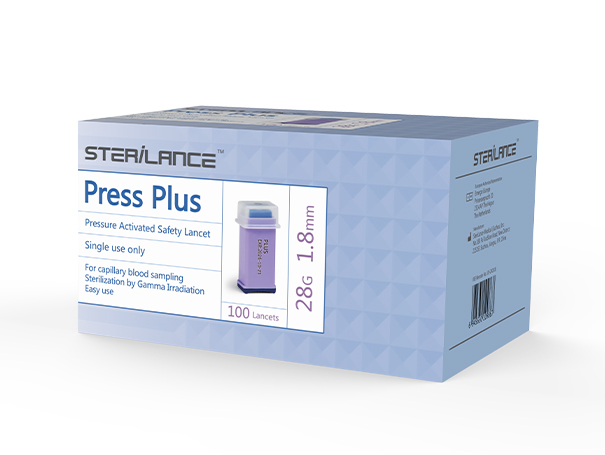
Medical facility procurement departments frequently face the complex task of balancing operational budgets with the need for high-quality clinical instruments. Selecting the appropriate capillary blood sampling tools usually requires a careful evaluation of various operational and clinical factors. Healthcare buyers generally seek devices that support both staff efficiency and patient comfort during routine diagnostic procedures.
In demanding hospital environments, the choice of diagnostic equipment can sometimes influence overall workflow dynamics. Evaluating the specific features of modern medical devices typically helps purchasing managers make informed decisions. A thorough assessment of available options usually ensures that the selected tools align with the facility’s broader healthcare objectives.
Analyzing the Impact of Push Button Safety Lancets on Workflows
Time management often remains a critical consideration in busy diagnostic centers and outpatient clinics. When evaluating different blood collection methods, buyers generally prioritize tools that minimize preparation steps. Pre-loaded devices typically allow healthcare professionals to bypass manual assembly, which frequently accelerates the overall testing process during high-volume shifts.
Push button safety lancets frequently offer a streamlined approach to capillary sampling. By simplifying the actuation mechanism, these instruments can usually reduce the cognitive load on nursing staff. This ease of use typically translates into a more organized clinical practice, potentially supporting higher patient throughput across various medical departments.
Training Requirements and Staff Adoption Rates
The introduction of new medical equipment typically necessitates staff training to ensure proper utilization. Devices with intuitive operational designs generally require less intensive instructional time, which may lower implementation costs. Healthcare buyers often appreciate products that medical personnel can adopt quickly and confidently into their daily diagnostic routines.
Evaluating Needle Sharpness and Penetration Mechanisms
Patient satisfaction scores frequently influence the overall reputation of a healthcare institution. Since routine blood collection can sometimes cause physical discomfort, minimizing tissue trauma usually remains a primary objective during product selection. High-quality diagnostic tools often incorporate specialized blade configurations designed to facilitate smoother skin penetration.
An ultra-sharp tri-bevel needle generally helps the instrument glide through the skin layers with minimal physical resistance. This precise cutting angle may reduce the pain experienced by the patient. Procurement managers generally look for these engineering details when assessing how a device might impact the patient’s testing experience.
Reviewing Gauge and Depth Options for Diverse Populations
Different diagnostic tests and patient demographics often require distinct volumes of capillary blood. Medical device manufacturers typically offer a wide variety of point configurations to suit these diverse clinical needs. A pediatric ward may require different specifications compared to an adult endocrinology clinic.
Access to multiple penetration depths and gauge sizes generally allows healthcare providers to choose the most appropriate specification for each specific procedure. Selecting the correct configuration can often optimize the sample volume while minimizing unnecessary skin damage. Buyers typically seek versatile product lines that accommodate these varying requirements.
The Mechanics of Automatic Retraction Systems
Occupational hazards, such as accidental needle-stick injuries, frequently remain a significant concern for hospital risk management teams. Accidental exposures can sometimes expose healthcare workers to bloodborne pathogens. Purchasing departments are generally tasked with sourcing capillary sampling devices that incorporate robust protective features to mitigate these inherent occupational health risks.
A needle that remains securely shielded both before and after actuation typically offers a reliable layer of user protection. Once the device is activated, the sharp component usually retracts automatically into a durable plastic housing. This automatic retraction generally ensures the point is no longer exposed to clinical staff.
Ensuring Compliance with Infection Control Standards
Safe and efficient disposal practices typically prove vital for maintaining a secure clinical environment. When a sharp instrument retracts securely into its protective casing, healthcare workers can usually discard the unit into a designated container with greater confidence. This built-in safety feature often simplifies standard biohazard disposal protocols.
Furthermore, devices designed strictly for single use are generally preferred to prevent cross-contamination. Once triggered, the internal mechanism is typically disabled, acting as a fail-safe against accidental reuse. Procuring single-use instruments generally helps healthcare facilities adhere to stringent infection control guidelines and protects community health.
The Role of SteriLance in Providing Consistent Medical Products
Reliable manufacturing processes frequently determine the consistent performance of clinical instruments across large order volumes. Companies like SteriLance generally prioritize rigorous quality control standards to ensure each individual device functions as intended. Utilizing precision-engineered medical products typically provides healthcare workers with the reliability they often require during busy shifts.
Furthermore, established manufacturers typically utilize gamma irradiation during the complex manufacturing process. This sterilization method can effectively eliminate potential pathogens, providing a high level of hygienic assurance before the packaging is opened. Buyers generally prefer suppliers who maintain strict sterilization protocols.
Supply Chain Stability and Large-Scale Purchasing
For large hospital networks, supply chain stability often represents a crucial factor in procurement decisions. Medical buyers typically need assurance that their chosen manufacturer can consistently meet volume demands without compromising product integrity. Establishing a relationship with a dependable medical device provider can sometimes prevent disruptive inventory shortages.
Evaluating a manufacturer’s production capacity and quality assurance history generally helps buyers mitigate potential supply chain risks. Consistent quality often builds trust in diagnostic environments and supports long-term operational planning. Careful supplier selection usually contributes to a more resilient healthcare infrastructure.
Disclaimer: This content is provided for general health education and informational purposes only. It does not constitute medical advice, diagnosis, or treatment. Individual health conditions vary, and no health education article can replace a face-to-face consultation with a qualified healthcare professional or licensed medical institution. If you have specific health concerns or feel unwell, please seek care from a licensed medical facility and do not delay treatment because of content on this platform.
