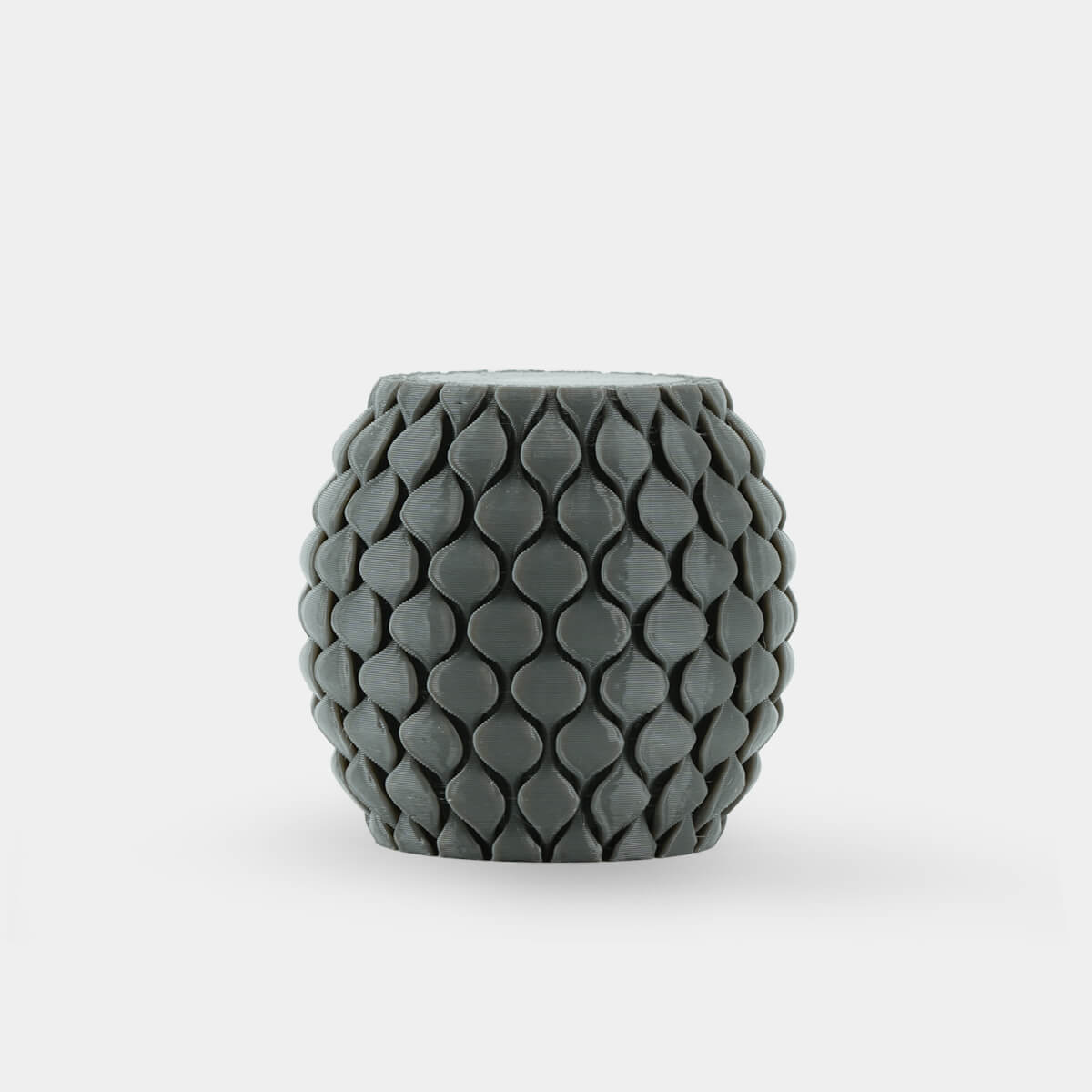
Choosing between PETG and PLA depends on what a functional part needs to do after printing. For parts that need good toughness, impact resistance, flexibility, and resistance to chemicals and water, PETG can be the more suitable choice. For daily models and prototypes where easy printing and low warping are priorities, PLA offers a simpler option. Understanding these differences can help businesses choose the right 3D print filament for each application.
PETG vs PLA: Start with the Application
Functional parts are not all designed for the same purpose. Some components need to withstand impact or flex without breaking, while others are primarily used for daily models and prototyping. As a result, selecting a 3D print filament should begin with the requirements of the finished part rather than simply choosing the material that is easiest to print.
SUNLU PETG and SUNLU PLA address these different priorities. PETG focuses on toughness and resistance, while PLA focuses on ease of printing, low warping, and accessibility. For businesses producing different types of functional models, understanding this distinction can make material selection more practical.
Why PETG Is Suitable for Functional Parts
SUNLU PETG combines the ease of printing of PLA with the strength of ABS. It also offers excellent chemical and water resistance, making it suitable for functional parts. These characteristics can be valuable when a printed component needs to perform beyond simple visual modeling.
Another important advantage is toughness. PETG printed parts offer good impact resistance and flexibility, making them less prone to breaking or cracking during printing. For functional components that require certain strength, this combination of toughness, flexibility, and resistance makes PETG a strong material option.
Good Toughness Reduces the Risk of Breakage
A functional component can become impractical if it breaks or cracks easily. SUNLU PETG addresses this concern through its excellent toughness. Printed parts have good impact resistance and flexibility, helping them withstand the demands associated with functional applications.
This characteristic also matters during the printing process. Parts that are less prone to breaking or cracking can make it easier to produce usable components without unnecessary failures. When a business needs functional parts rather than only appearance-focused models, the toughness of PETG can therefore become an important selection factor.
Why PLA Remains a Practical Choice
SUNLU PLA is an entry-level, eco-friendly material designed for easy printing and low warping. It is suitable for daily models and prototyping, making it a practical choice for businesses that need to create models efficiently without prioritizing the additional characteristics offered by PETG.
For users who are beginning with 3D printing, PLA can provide a straightforward way to complete printing tasks. Its combination of easy printing and low warping makes it accessible for a range of everyday modeling and prototyping needs.
Easy Printing with Minimal Clogging Risk
One of the key strengths of SUNLU PLA is its excellent flowability. As an entry-level material, PLA provides smooth printing performance with minimal risk of clogging. This can simplify the printing process, particularly for beginners who are still becoming familiar with 3D printing.
For businesses producing prototypes or daily models, a material that is easy to print can also make the overall workflow more manageable. Instead of focusing heavily on material-related printing difficulties, users can concentrate on creating and refining their models.
PETG 3D Printer Filament or PLA?
The choice between PETG 3D printer filament and PLA should ultimately follow the functional requirements of the part. PETG is better suited when good toughness, impact resistance, flexibility, and chemical and water resistance are important. These characteristics make it appropriate for functional components that require certain strength.
PLA is a better fit when the primary requirements are easy printing, low warping, and straightforward prototyping. Its excellent flowability and minimal clogging risk make it particularly suitable for beginners and routine printing tasks.
A Practical Material Selection Approach
Businesses can simplify material selection by matching the filament to the job. If the printed component needs to tolerate impact, flex without easily breaking, or provide chemical and water resistance, SUNLU PETG offers characteristics aligned with those requirements.
If the objective is to produce daily models or prototypes with an easy-to-print material, SUNLU PLA provides a practical alternative. Its low warping and excellent flowability can support a smoother printing experience while reducing the risk of clogging.
Making the Right 3D Print Filament Choice
PETG and PLA each have a clear role in 3D printing. SUNLU PETG is designed around toughness, impact resistance, flexibility, and chemical and water resistance, making it suitable for functional parts that require certain strength. SUNLU PLA emphasizes easy printing, low warping, and excellent flowability for daily models and prototyping.
For businesses choosing a 3D print filament, there is no need to treat PETG and PLA as competitors with one universal winner. Instead, the better approach is to identify the requirements of each part and select the material whose characteristics best match the intended task. When toughness is the priority, PETG 3D printer filament is the stronger candidate; when simplicity and easy printing matter most, PLA is a practical choice.
