Ski goggles can remain usable for several seasons, but there is no universal replacement date that fits every rider. A more practical approach is to watch for changes in lens condition, vision, fit, and structural integrity — the same product areas YIJIA Optical details across its ski goggle range.
Scratches across the viewing area, damaged frames, deteriorated foam, persistent fogging, or a strap that no longer holds the goggles securely can all signal that replacing the goggles or a component deserves consideration.
Start With the Lens
The lens is the first component to inspect because its condition directly affects what you see on the mountain. Small marks away from the main viewing area may be less disruptive, while scratches or damage across the sightline can create glare, distort details, or make changing terrain harder to read. POC advises replacing goggles when there is an indication or suspicion of damage and notes that lenses can be replaced when the frame remains in good condition.
Fogging is another useful check. Anti-fog treatments can lose effectiveness when the lens becomes contaminated or the inner coating is damaged through improper cleaning. REI recommends careful handling of the inner anti-fog surface and allowing goggles to dry thoroughly after use. When repeated fogging continues despite proper care and drying, a new lens may be worth considering.
Check for Physical Damage
Cracks, deep scratches, lens separation, or damaged frame components deserve more attention than ordinary cosmetic wear. A damaged frame can affect how the lens is held, while damaged lens layers can interfere with clear vision. Oakley advises replacing a product if it is broken or damaged. Its care guidance also warns that rubbing the anti-fog surface during cleaning may scratch the lens and reduce the effectiveness of the coating.
Before each ski day, examine the lens under good lighting and look closely at the frame, strap attachment points, and ventilation areas. When damage affects the fit or structural condition of the goggles, continued use deserves careful reconsideration. Some designs allow the lens to be replaced separately, making a lens change a practical option when the frame remains in good condition.
Look at the Foam and Strap
Face foam affects how the goggles sit against the face and how consistently they contact the surrounding facial area. Over time, foam can compress, deteriorate, or lose its original shape. A worn seal can change comfort and fit, while poor contact around the face may influence airflow and moisture management. REI identifies padding and fit as important considerations when choosing snow goggles.
The strap also deserves a regular check. Look for stretching, fraying, damaged stitching, or weakened attachment points. A strap that no longer keeps the goggles in their intended position can affect fit during use. Depending on the model, replacing the strap may be an option, while more extensive deterioration may make a new pair more appropriate.
Does Age Alone Mean New Goggles?
Not necessarily. Usage conditions, storage, cleaning habits, and overall construction all affect how long ski goggles remain serviceable. POC recommends replacing its goggles after five years of normal use, or sooner when there is an indication or suspicion of damage. That is a manufacturer-specific guideline rather than a universal rule for every model.
For occasional recreational use, a well-maintained pair may remain functional for years. Frequent riders, rental operators, and commercial users may inspect their goggles more often because the equipment experiences greater handling and exposure. Keeping a simple inspection routine provides more useful information than relying on age alone.
What Does the YIJIA Optical Range Offer?
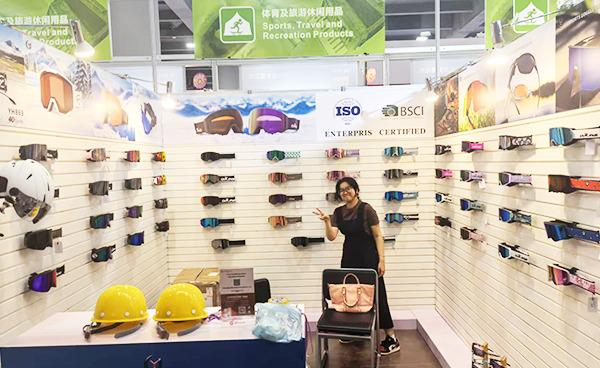
The current ski-goggle collection from YIJIA Optical includes models such as YH682, YH879C, YH857, YH855, YH692, and YH686B. The collection covers different approaches to lens systems and frame designs, giving brands and distributors several platforms to consider when building a winter eyewear range.
For wholesale ski goggles buyers, product selection can also include replacement planning. A collection with interchangeable or replaceable lens options may offer a way to address lens-specific wear without changing the complete frame, depending on the model. Buyers should confirm replacement-part availability and compatibility for the specific product before placing an order.
When Is Replacement the Practical Choice?
Replacement becomes a stronger consideration when a problem affects vision, fit, or structural condition rather than appearance alone. A deeply scratched lens, cracked frame, degraded foam, damaged strap connection, or persistent performance issue can justify moving to a new lens or a new pair. Manufacturer guidance from POC and Oakley similarly connects replacement with damage or deterioration that affects product condition.
The manufacturer behind this collection delivers original equipment manufacturer (OEM) and original design manufacturer (ODM) sports eyewear solutions for global brands, distributors, and wholesalers, with a stated process that runs from design and tooling through sampling, mass production, assembly, and quality control for ski goggles.
For buyers sourcing ski goggles for retail or distribution, replacement considerations can also shape product assortment decisions. Reviewing lens interchangeability, frame construction, cleaning requirements, and the availability of compatible replacement parts during product selection can make maintenance planning easier after products reach customers.
