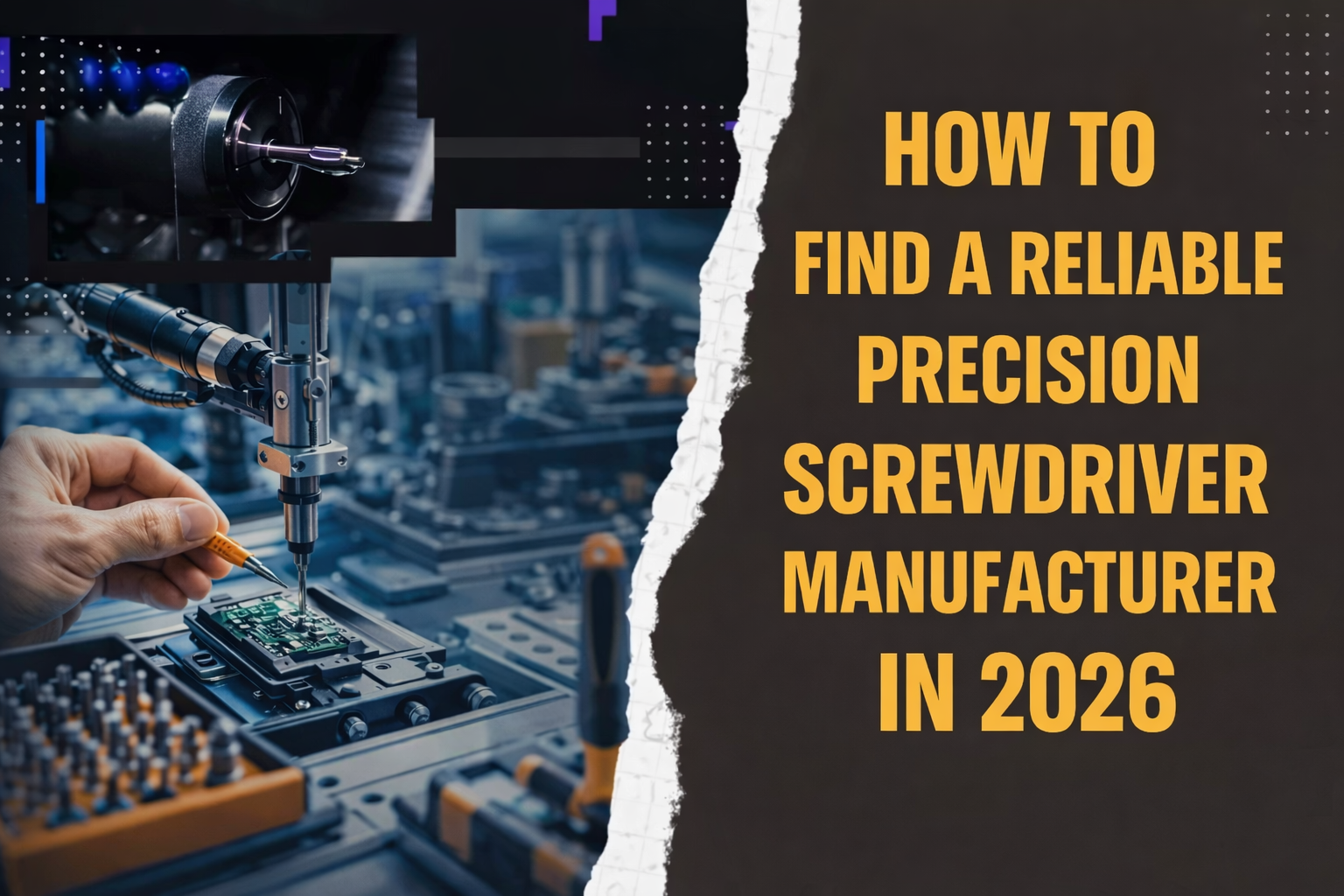
Modern circuit board assembly and micro-component integration demand manual instruments that ensure high replication accuracy and strict torque control. Utilizing a specialized precision screwdriver for electronics manufacturing prevents structural damage to delicate substrates, surface-mount devices, and micro-fasteners. Unlike heavy industrial wrenches, these refined hand tools feature miniature bit profiles and free-spinning rear caps that allow assembly workers to apply continuous downward force while rotating the shaft smoothly with their fingers. This physical configuration maintains precise linear alignment with tiny screw heads, reducing the risk of bit slippage that can scratch copper traces or crack fragile ceramic capacitors. Silicon wafer fabrication environments and sensor technology assembly operations rely on highly controlled cleanroom protocols, where anti-static hand tools are primarily used in equipment maintenance and backend packaging processes to help maintain product yields and reduce the risk of component damage.
Technical Standards in Tool Manufacturing
The global precision screwdriver industry continuously refines its production processes to satisfy the strict quality requirements of automated hardware factories and global hardware distributors. Production facilities utilize specialized machinery to heat-treat steel alloys, ensuring that small screwdriver tips retain their precise geometric dimensions under repetitive physical stress. Tool housings must also resist structural deformation when exposed to industrial lubricants, cleaning solvents, and high factory temperatures. To meet these strict operating conditions, companies select tough polymers like acrylonitrile butadiene styrene (ABS) and thermoplastic elastomer compounds like TPR or TPU to manufacture ergonomically shaped handles. These advanced chemical compositions offer excellent friction coefficients for greasy hands, ensuring that workers retain steady physical control during intricate component assembly tasks without enduring excessive wrist strain.
Supply Chain Integration for Enterprise Buyers
Procuring manual hardware components for large-scale device factories requires a clear understanding of international quality certifications and technical shipping compliance. International distribution firms look for manufacturing partners that hold verified commercial safety records, such as CE and RoHS certifications, to ensure seamless customs clearance in global transport hubs. Industrial suppliers known as Jakemy tools build comprehensive product lines that conform to these international safety guidelines, making their catalog highly suitable for commercial supply chains. Enterprise buyers who manage component sourcing for telecommunication hardware facilities or medical electronics plants focus on purchasing reliable, hardened S2 steel bit configurations that offer durable service lifetimes. Rather than using an online checkout cart, commercial purchasing managers can simply fill out their enterprise contact information along with their technical part checklists to submit an official inquiry directly.
Conclusion
Selecting high-quality fastening equipment is a foundational step for optimizing output and minimizing structural scrap rates across the global precision screwdriver industry. Deploying a specialized precision screwdriver for electronics manufacturing ensures that technicians can secure sensitive micro-screws safely without causing micro-fractures in composite housings. By incorporating robust, oil-resistant handle materials like ABS and TPR into their engineering designs, Jakemy tools delivers durable hardware options built for demanding electronics assembly benches. Commercial sourcing agents who need detailed product updates or bulk delivery timetables can easily navigate to the corporate communication page, enter their business details and requested item numbers, and send a direct inquiry to receive an official engineering quote.
