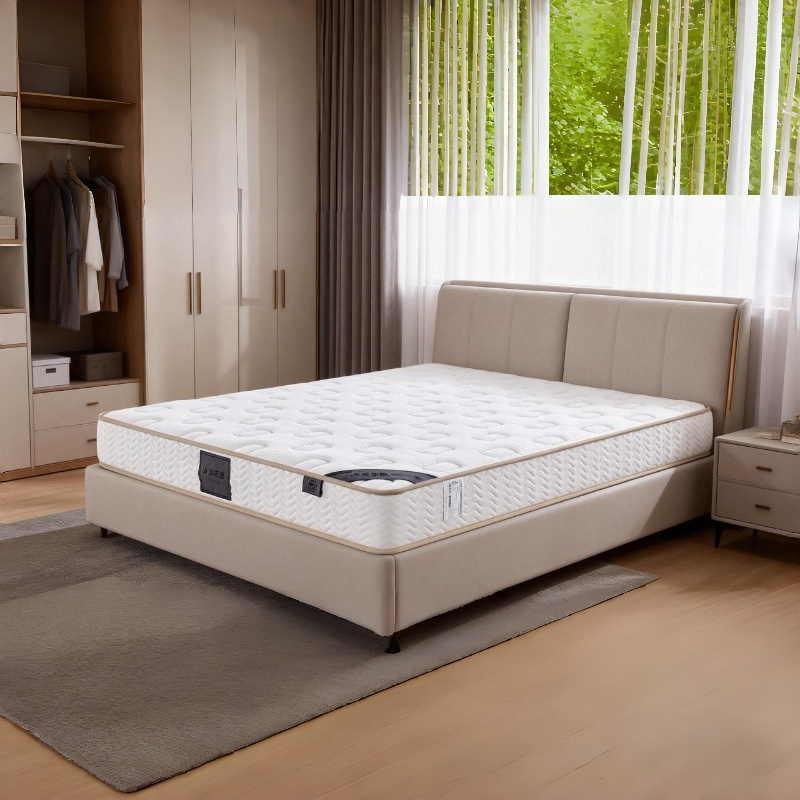
A buyer developing a new mattress has different questions from a retailer replenishing an established range. The first may need material choices, prototypes, and production control. The second may need model availability, order terms, and predictable shipping. “Manufacturer” and “wholesale supplier” describe different responsibilities, although one company can perform both. The useful mattress supplier is the one whose work matches the buyer’s immediate decisions.
The distinction becomes clearer when the product brief is written out. Is the buyer choosing from existing models, changing a known construction, or creating a new design? What quantities, branding, packaging, and delivery support are required? Those answers show which capabilities must be present before price comparisons begin.
When Manufacturing Expertise Leads
A manufacturer is central when a buyer needs to define or change the mattress itself. Material selection, spring or foam construction, dimensions, cover design, sample development, and quality controls belong in that discussion. A new design may require several prototypes before the buyer approves its feel and build. Technical communication is especially important if the product will carry a private label or serve a defined hospitality project.
Production capability also matters for an existing model when volume rises. The buyer needs confidence that the approved layers, finished measurements, appearance, and packing can be repeated across batches. A facility description alone cannot establish that; the relevant evidence is the specification, sample, production plan, and agreed inspection method for the order.
At Suisin Furniture, factory work runs from product development and material selection through production checks and packing. It lists spring, memory-foam, hybrid, compressed, and hotel mattresses, with customization in size, firmness, materials, design, packaging, and branding. Those capabilities are relevant when a buyer needs more than an off-the-shelf selection, but the chosen model still requires a defined approval process for the model and delivery channel.
When Supply Services Lead
A wholesale supplier is often evaluated through assortment access, sample availability, order quantities, replenishment, and delivery coordination. A retailer buying established models may have little need to redesign the support system. It does need to know which sizes are available, how products are packed, and whether later orders will match the displayed sample. Commercial support turns a product catalogue into a dependable buying program.
For importers and distributors, export documents, international shipping arrangements, and clear carton information may be decisive. Hospitality buyers may focus on scheduled project deliveries and replacement consistency. These needs are different from prototype development, even though the same underlying mattress may be involved. The phrase mattress supplier should be tested against the services needed by the particular channel.
Suisin Furniture also describes samples, private-label support, export, international shipping, and ongoing business-to-business supply. Its combined model illustrates how manufacturing and wholesale roles can meet in one organization. A buyer can seek a wholesale mattress manufacturer when technical changes and recurring bulk supply must be coordinated under the same specification.
Choose by Decision Rights and Handoffs
The deciding issue is often who can authorize and carry through a change. If a retailer wants to adjust firmness, it needs access to someone who can explain the technical consequences. If it only needs a repeat order, reliable stock and order handling may matter more than new design capability. If it needs both, responsibility for samples, production approval, packing, and shipping should be explicit.
Questions can be organized around the buyer’s stage. At development, ask who selects materials, builds samples, and signs off revisions. At purchasing, ask how prices, quantities, lead times, and product versions are recorded. At delivery, ask who confirms packing dimensions, export requirements, and shipment status. Clear answers expose gaps that the words “factory” or “supplier” alone cannot resolve.
An organization may perform both roles, but that overlap does not eliminate coordination work. Buyers should receive a single approved specification that follows the mattress from sample through production and replenishment. If the supplier proposes a substitute material or revised carton, the buyer needs to know before the change enters a shipment.
In practice, a project can move between those needs. A distributor may begin with an established model, then request a branded version after demand is proven. A hotel group may start with technical development and later place routine replacement orders. The right partner can either cover both stages or explain exactly how the handoff will work. The buyer should not assume the initial purchasing route will remain unchanged for the life of the product.
Contract and communication details should reflect that progression. The approved sample, product version, order quantity, packing form, and shipment plan need named owners. If one organization handles manufacturing and supply, internal teams still have to share the same approved information. If different organizations handle them, the buyer needs an explicit transfer of those records.
New designs, routine replenishment, and private-label expansion call for different combinations of expertise. New designs call for manufacturing depth; established ranges demand dependable wholesale execution; growing private-label programs often require a wholesale mattress manufacturer that can coordinate both. The mattress supplier decision is strongest when responsibilities are written against the product, order, and delivery requirements rather than inferred from a company label.
