Fleet operations produce data from vehicles, drivers, routes, cameras, sensors, and daily transport activity. A telematics system connects these data sources and turns them into information that can support dispatch, monitoring, safety review, and asset management.
Software for fleet tracking provides the interface for organizing and reviewing this information across daily operations. For B2B buyers, the value of a platform depends on how its core components work together. Hardware, positioning, communication, software, video, configuration, and integration all affect daily use.
Before deployment, a fleet owner may focus on visibility and operating control, while a distributor or system integrator may care more about compatibility, configuration, and rollout. Reviewing each component can help buyers identify what is necessary for their fleet environment.
Vehicle Hardware Starts the Data Flow
The first component is the device installed in the vehicle. It may collect position, vehicle status, driver events, video, or sensor information.
Logistics fleets may focus on location, routes, and driving records. Mining, oil and gas, or engineering fleets may need more attention to hardware stability and environmental conditions. Public transport, school bus, and cold-chain projects can have different monitoring priorities.
Before purchasing, project teams should review interfaces, installation space, power supply, supported peripherals, and the data types the device can capture. These details affect installation work and future expansion.
Positioning and Communication Keep Data Moving
Location information is a basic part of fleet telematics. It allows managers to see where vehicles are operating and review movement history after a trip.
Communication modules send data from the vehicle to a remote server or cloud system. Network coverage, operating region, and transmission frequency can influence how smoothly this process works.
For fleets operating across large regions, remote communication can reduce repeated site visits. Technical teams can check device status and review transmitted data without treating every vehicle as a separate offline system.
Data Processing Gives Context to Raw Records
A GPS fleet telematics platform receives information from multiple devices, but raw data alone is difficult to use. The processing layer organizes records so users can understand vehicle activity more clearly.
Typical records may include location history, movement, stops, operating events, device status, or video-related data. The exact combination depends on the fleet and the installed equipment.
Useful processing should make patterns easier to identify rather than simply store information. Fleet managers may use structured records to review routes, compare vehicle utilization, examine incidents, or support scheduling decisions.
Management Software Connects Users With Operations
The software layer is where users interact with fleet information. software for fleet tracking should fit real working roles rather than only show vehicles on a map.
Fleet owners may want a broader operational view. Fleet managers may focus on routes, events, and vehicle activity. Distributors and solution providers may need functions related to devices, customers, or project deployment.
System integrators often pay closer attention to APIs, data access, and third-party compatibility. Clear requirements before purchase make platform comparisons more useful.
Video Adds More Operational Context
Location data can show where an event happened, while video can add visual context around that event. This is one reason AI video telematics is being used in commercial fleet projects.
Video can support review of driving events, road conditions, vehicle surroundings, or operational incidents. When video data is connected with positioning and telematics records, users can examine an event from more than one source.
BSJ Technology develops AI video telematics, Fleet IoT, GPS tracking, and fleet management products for commercial applications. Their product direction is relevant to fleet owners, distributors, integrators, and solution providers that need hardware combined with telematics functions.
Configuration Affects Deployment Efficiency
Large fleet projects may involve many devices that need similar setup before installation. Repeating the same configuration manually can slow deployment and create inconsistent parameters.
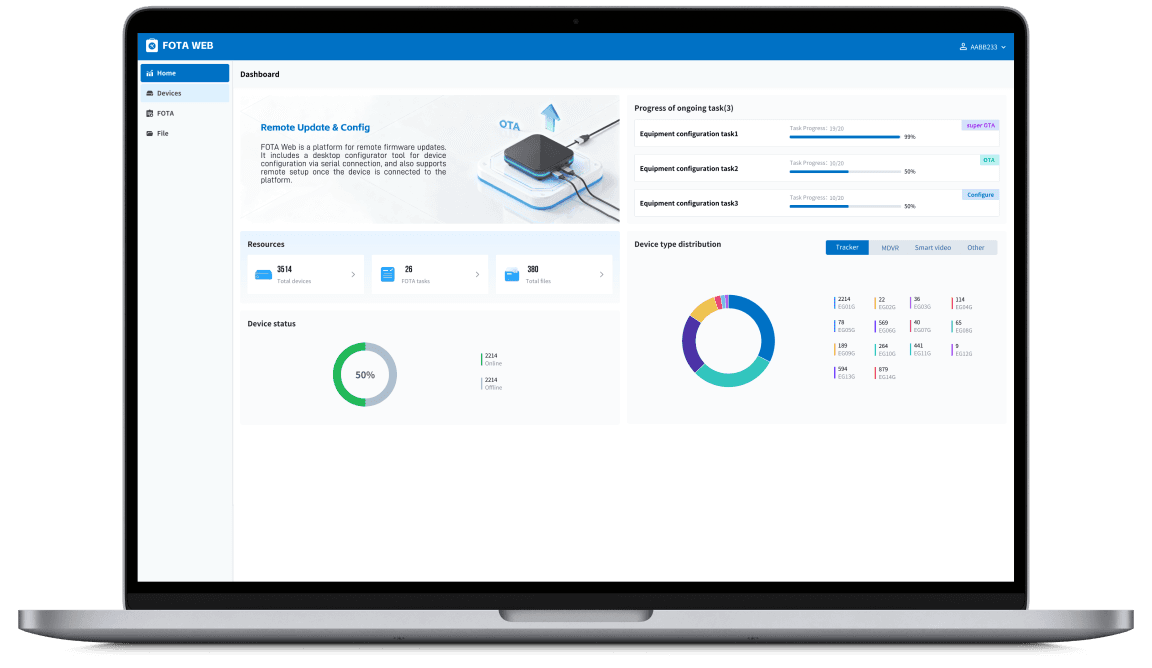
The BSJ Technology Configurator is a device configuration tool for device setup and parameter configuration. It supports deployment efficiency and also provides access to product resources in one place.
For distributors and system integrators, this type of tool can help when preparing equipment for multiple vehicles or customer projects. An organized configuration process can make installation planning easier to manage.
Integration Matters in Existing Fleet Ecosystems
Many transport companies already use dispatch systems, transport management software, or third-party telematics platforms. New hardware should therefore be evaluated in relation to the existing digital environment.
Open integration can reduce the need to replace software that a fleet already uses. Compatibility with third-party platforms such as Wialon or GpsGate can be relevant when integrators need to connect new devices with established customer systems.
When reviewing software for fleet tracking, buyers should check API access, data format, compatibility, user permissions, and future integration needs. These points can affect project cost and the technical work required after deployment.
What Buyers Should Check Before Rollout
A practical evaluation starts with the operating scenario. Buyers should define fleet size, vehicle types, operating regions, required data, video needs, communication conditions, installation method, and integration requirements before choosing equipment.
They should also review technical support, hardware engineering, customization ability, OEM or ODM options, delivery planning, and certification needs. These factors matter for distributors and solution providers that serve different end customers.
A suitable GPS fleet telematics platform should connect devices, communication, processing, software, and integration in a clear operating structure. At the same time, software for fleet tracking should help users turn fleet data into information that supports daily decisions. Looking at these components together gives B2B buyers a practical basis for planning telematics projects.
