In 2026, custom gummies give confectionery brands a flexible way to refresh assortments, support seasonal campaigns, and create products that stand out online and on shelves. For retailers, importers, and distributors, the strongest ideas connect visual novelty with reliable production, suitable pack formats, and local preferences. Shape, color, and packaging work best as one coordinated commercial decision.
- Recognizable Shapes with a Clear Brand Purpose
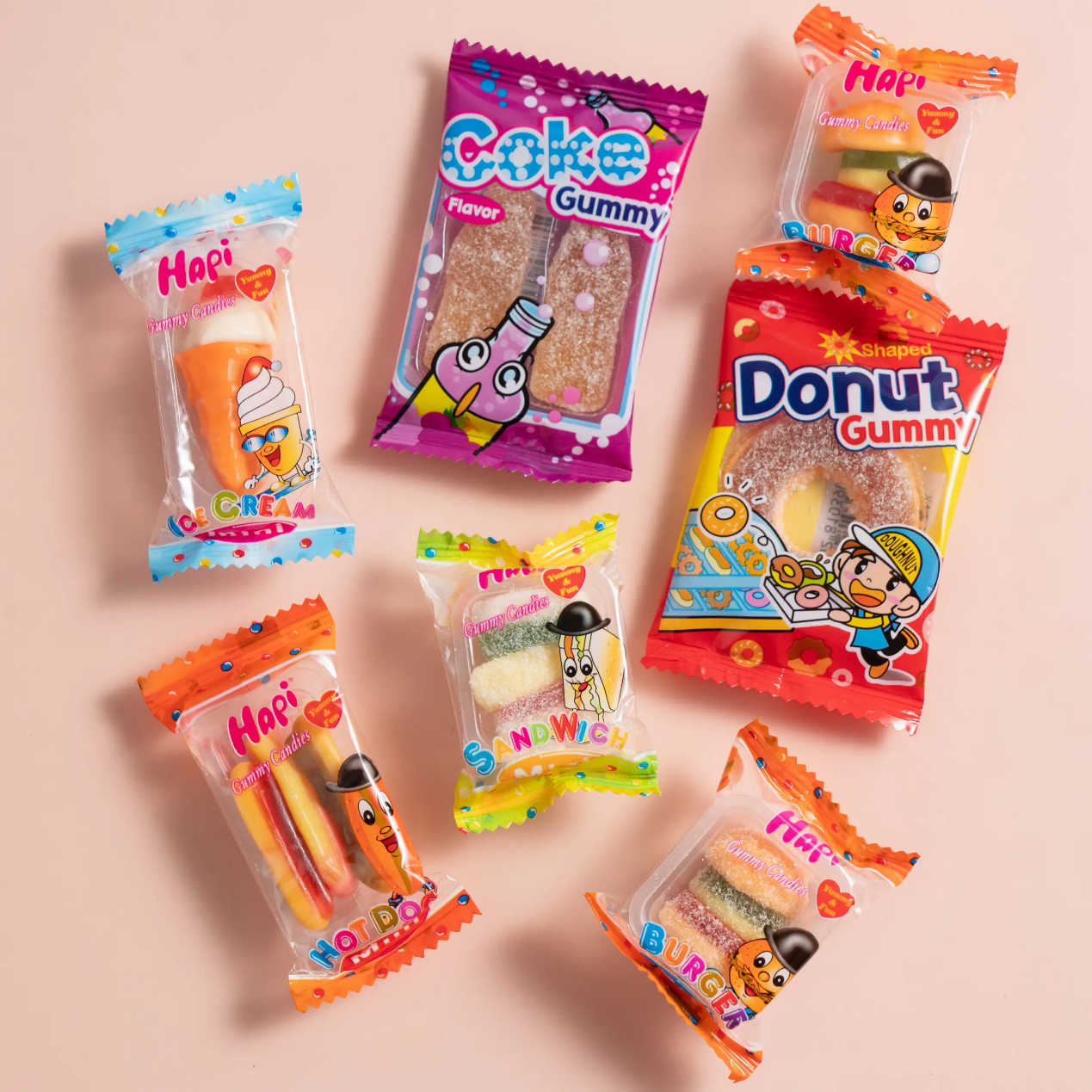
Novelty is useful, but a shape should do more than look different. Familiar objects, playful food forms, animals, and seasonal designs help shoppers understand a product quickly. Existing shaped-gummy ranges include formats such as cola bottles, hotdogs, pizza, and macarons, giving retailers options for themed displays or differentiated candy assortments.
For B2B buyers, the choice depends on the channel. Small, recognizable pieces may suit checkout displays, while larger novelty gummies can support sharing bags, gifts, or seasonal features. Assess piece size, mold complexity, texture, flavor delivery, and how consistently the design can be reproduced at the required volume.
A custom gummy manufacturer can help determine whether an existing mold meets the brief or a new mold is worth the investment. Existing designs may simplify development; bespoke shapes can stand out more but require additional time for tooling, sampling, and approval. The right option depends on budget, order size, launch date, and the level of differentiation required.
- Color Strategies That Balance Impact and Consistency
Color helps gummies stand out in product photography and retail displays, but it should support the product concept. Bright contrasts can suit playful novelty lines, while fruit-associated colors can help distinguish flavors. Seasonal ranges may use coordinated palettes for Halloween, Easter, Christmas, or Valentine’s Day. For multi-market brands, local feedback can help confirm that a palette communicates as intended.
The visual effect must also hold up in production. Review samples under retail lighting, check batch-to-batch consistency, and ensure the finished candy reasonably matches packaging images. If buyers request naturally derived colors or specific ingredient standards, state those requirements early and confirm available formulations with the supplier.
- Flavor and Texture Pairings Add Another Dimension
Shape and color attract attention, but taste and texture help determine whether a product earns repeat purchases. Confectionery trends in 2026 include flavor discovery and sensory experiences, giving brands reasons to explore fruit combinations, sour coatings, contrasting textures, or assorted shapes and flavors in one pack. Each variation should match the target market instead of being adopted simply because it is new.
Buyers should consider whether the flavor is easy to explain on pack and aligns with local preferences. Sampling with buyers or a limited retail test can generate more actionable feedback than relying only on online reactions. For mixed assortments, clear flavor identification also helps retailers describe products and distributors manage inventory.
- Packaging Is Part of the Product Design
Packaging must protect the candy, communicate the concept, and suit the sales channel. Single-serve bags may work for impulse purchases, while boxes, larger pouches, or multipacks can suit sharing and gifting. A transparent window can show unusual shapes; strong graphics may be more useful in crowded retail environments. The format should also fit case dimensions, shipping conditions, shelf layout, and target price.
Brands exploring custom gummies should assess packaging alongside shape and flavor. Confirm pack weight, piece count, material, artwork dimensions, barcode position, language, and space for ingredient and allergen information. Requirements vary by destination, so importers should verify applicable rules before approving artwork. Seasonal graphics or collectible designs can add interest, provided they remain practical to produce and merchandise.
- Customization Must Fit Commercial Reality
Personalization works best when it serves a clear business goal. A retailer may need a regional theme, a distributor may want different assortments by channel, or a brand may test a product before expanding it. Before development begins, share reference images, target price, order quantity, flavor and color preferences, pack format, and delivery deadline. This helps the supplier assess feasibility and quote appropriate options.
HAPI’s website lists shaped products such as cola bottles, giant hotdogs, gummy pizza, and macaron gummies, and describes customization for shapes, flavors, and packaging. These examples can inform a brief, but availability, specifications, minimum quantities, and lead times should be confirmed for each project. When choosing a custom gummy manufacturer, buyers should review samples, quality procedures, communication, and capacity for repeat orders. A creative first batch has limited value if later batches cannot match the approved specification.
- Plan for Seasonal Demand and Measure Results
Limited editions can give retailers a reason to refresh displays around key shopping periods. Work backward from the shelf date and allow time for sampling, artwork approval, production, quality checks, and shipping. Set a realistic forecast and consider how much inventory can sell after the occasion passes. Trial quantities, where commercially feasible, can help test demand before expanding the range.
After launch, compare sell-through, reorder requests, customer feedback, and remaining stock. Social engagement can signal interest, but it should not replace sales data. Record which shape, color, flavor, and pack format performed best, then use the findings to refine the next brief.
Make the Trend Work for Your Market
In 2026, practical gummy concepts combine recognizable shapes, purposeful color, appealing flavor, and packaging suited to the sales channel. Validate ideas with samples, check market-specific requirements, and plan supply before scaling. Buyers can review HAPI‘s shaped-gummy range and discuss suitable product formats, packaging options, minimum order quantities, and lead times for their retail or distribution needs.
