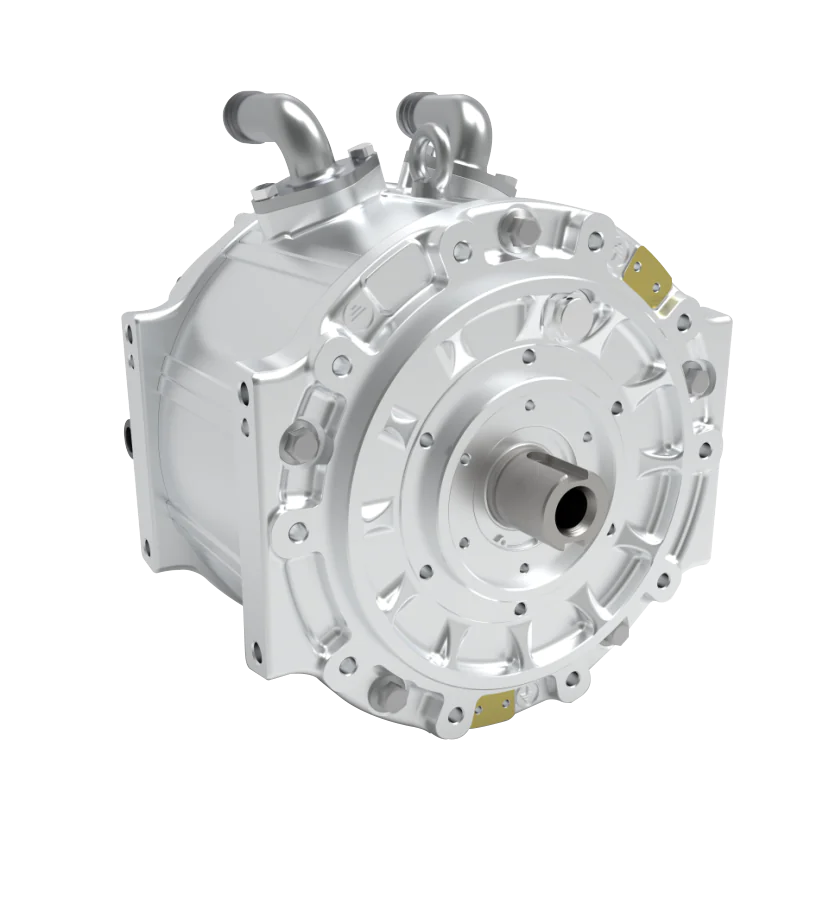
Determining the appropriate torque is a critical step in specifying motor systems for industrial equipment. This process relies not on complex computations, but on a systematic evaluation of the mechanical load and operating environment. In marine contexts, selecting the right electric motor for a boat hinges on accurately estimating the rotational force required to achieve propulsion under expected conditions. At Santroll, we apply this methodical approach to ensure every electric motor we design is precisely aligned with the real-world demands of its application.
Evaluating the Application Load Profile
The assessment begins with a detailed analysis of the system the motor will drive. Engineers must consider the mass requiring movement and the primary forces opposing it. In marine contexts, this involves understanding hull displacement and water resistance. The operational profile for an electric boat motor must account for typical cruising speed and the additional force needed for acceleration.
Incorporating Initial and Variable Demands
A critical distinction exists between the force required to initiate movement and that needed to maintain it. Starting torque must overcome static friction and inertia, often requiring a higher output than sustained operation. Furthermore, variable conditions like wind, currents, or additional payload alter the torque requirements for an electric boat motor, necessitating a performance buffer.
Aligning Motor Characteristics with Operational Needs
The final phase involves selecting a motor whose torque delivery matches the compiled load profile. This requires reviewing performance specifications to ensure adequate force is available across the required speed range. Santroll bases its electric motor configurations on this alignment, ensuring sufficient torque is present for both standard and peak operating scenarios.
This structured assessment of torque requirements forms the foundation for reliable system integration. It enables the specification of motors that perform efficiently under actual working conditions without premature wear or performance issues. This methodology supports the selection of propulsion systems that deliver consistent operational results for marine applications.
