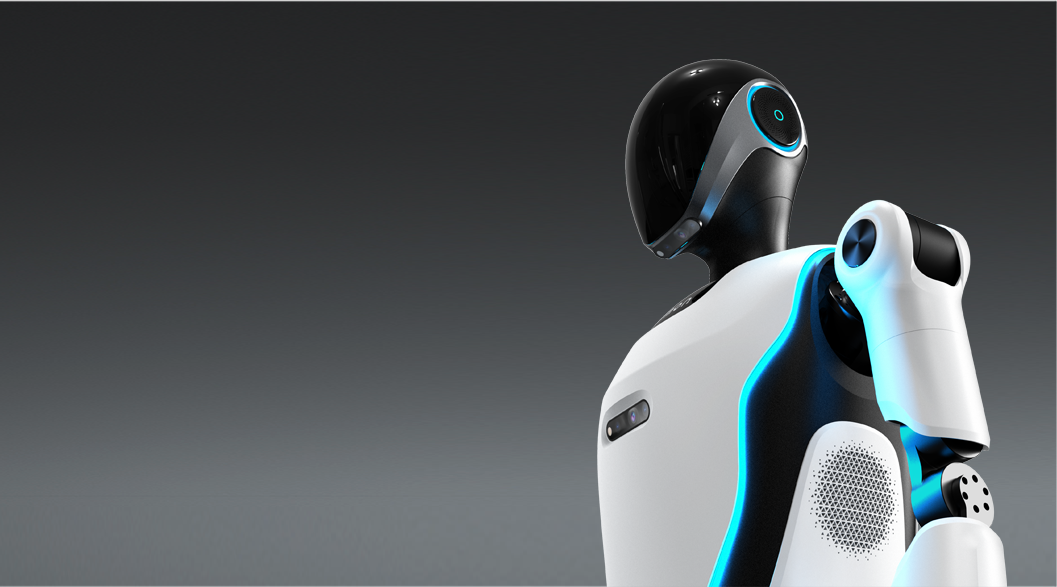
Integrating advanced robotics into current workflows is a strategic move for businesses and households seeking efficiency and enhanced capabilities. The key lies in deploying Embodied Intelligence —AI that perceives and acts within a physical environment—without causing major operational disruption. Companies like Daimon are pioneering this integration, focusing on creating systems that augment human potential rather than replace it. Their approach centers on seamless compatibility, ensuring their intelligent robotic solutions can communicate with and enhance legacy infrastructure, from factory floors to smart home networks.
Integrating Embodied Intelligence into Operations
The first step is a thorough audit of the existing system’s data flows, physical interfaces, and control protocols. Successful integration of Embodied Intelligence hinges on the AI’s ability to interpret environmental data from existing sensors and execute actions through compatible actuators. This often involves deploying middleware that translates between new robotic commands and old machine languages. For instance, a warehouse can integrate mobile manipulators by connecting them to the existing Warehouse Management System (WMS), allowing the robots to receive picking orders and update inventory in real-time, thereby enhancing throughput without a full system overhaul.
Daimon’s Approach to Physical Ai
As an innovative AI robots company, Daimon designs its platforms with interoperability as a core principle. Their robots are built on modular software architectures and utilize open API frameworks, allowing for easier integration with common industrial PLCs, enterprise ERP software, or consumer IoT ecosystems. Daimon’s development philosophy, aiming to create robots more dexterous and intelligent than humans for societal benefit, translates into products that prioritize adaptive learning and safe human-robot collaboration. This reduces deployment risk and allows their embodied AI to function as a flexible tool within established processes, learning from and assisting human operators.
Deployment Strategies for Existing Infrastructure
A phased deployment strategy is critical for managing risk and demonstrating ROI. Organizations typically start with a pilot program in a controlled, non-critical area of operation. This sandbox environment allows teams to test the Embodied Intelligence system’s interaction with legacy equipment, refine data exchange protocols, and train staff. Following a successful pilot, a staggered rollout—first by process line, then by department, then facility-wide—ensures stability. Continuous monitoring and feedback loops during this phase are essential to tune the AI’s decision-making algorithms for the specific nuances of the existing operational environment, ensuring reliable and valuable performance.
Conclusion
Deploying embodied AI into existing systems is a manageable process centered on compatibility, phased integration, and continuous adaptation. The goal is to enhance current capabilities, providing tangible value by taking over repetitive tasks, improving precision, and generating actionable insights from physical operations. By partnering with a technically focused provider that emphasizes seamless integration, organizations can navigate this evolution effectively. For those looking to explore this path, the solutions and support offered by Daimon present a viable route toward integrating advanced, beneficial robotic intelligence into today’s complex operational landscapes.
