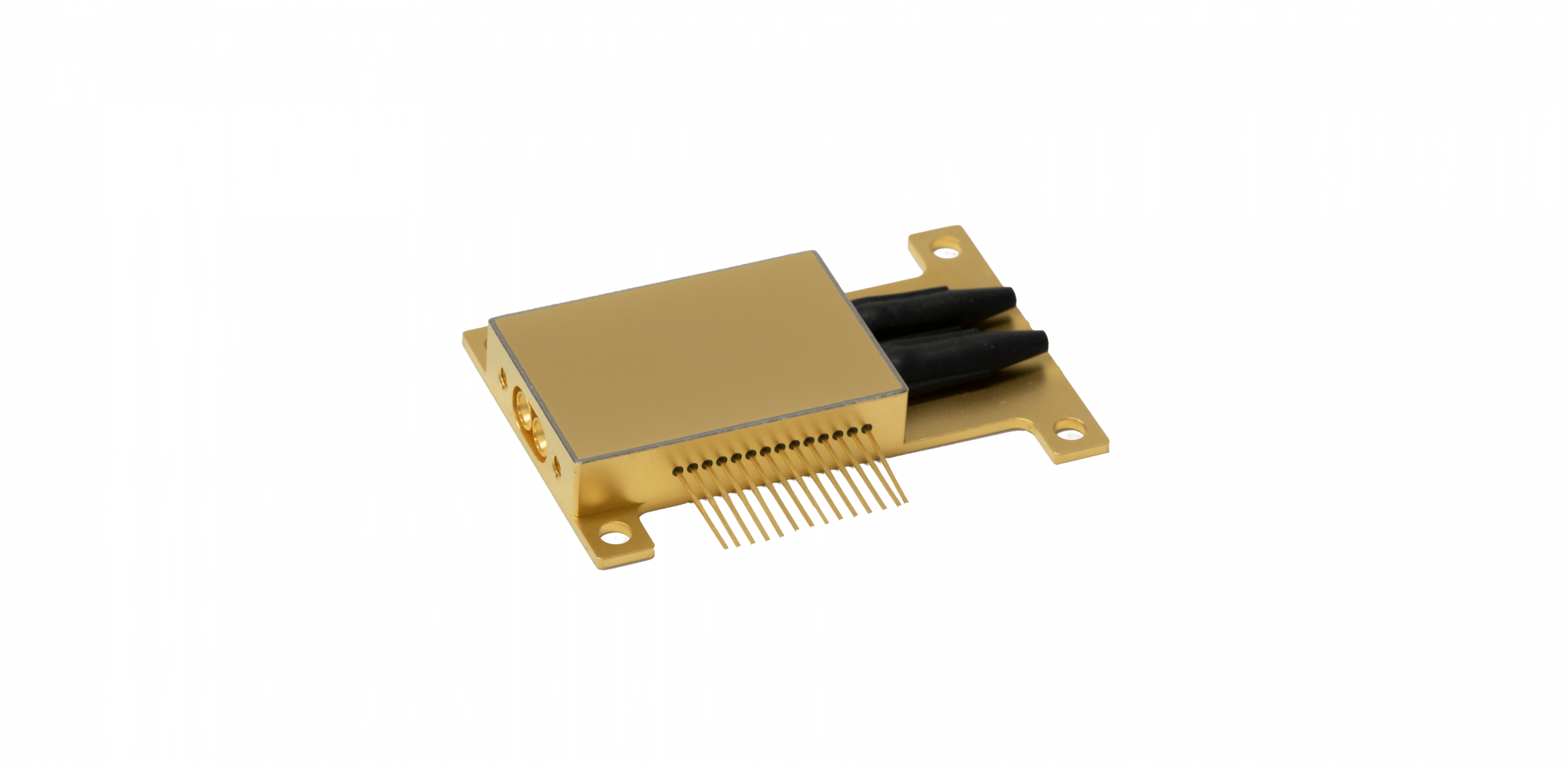
As technology rapidly advances, high-speed optical modulators play a crucial role in maintaining efficient communication systems. However, recognizing when these devices may be nearing obsolescence is vital for organizations that rely on superior performance. Understanding the signs of aging in your high-speed optical modulators can prevent costly disruptions and ensure continued operational excellence.
1. Decreased Bandwidth Performance
One of the first indicators of technical obsolescence in a high-speed optical modulator is a noticeable decline in bandwidth performance. For example, modulators with specifications of 67/110 GHz or 40 GHz should consistently deliver high throughput. If users experience difficulties meeting required data rates, it might be time to evaluate the status of the TFLN devices being utilized.
2. Increased Insertion Loss
An increase in insertion loss can significantly impact signal integrity, leading to degraded system performance. High-speed optical modulators should maintain an insertion loss of less than 4.5 dB to function effectively. If the measured insertion loss consistently exceeds this threshold, upgrading to newer TFLN devices may be necessary.
3. Stability Issues
Reliability is paramount in optical modulation systems. Frequent signal fluctuations or instability can be a sign that your current high-speed optical modulator is failing to meet industry standards. Ensuring that devices operate within specified parameters—such as half-wave voltages below 3.0 V—is essential for optimal performance.
4. Rising Thermal Sensitivity
As optical modulators age, they may become more susceptible to temperature variations, leading to performance inconsistencies. If modulators exhibit increased sensitivity to thermal fluctuations that were previously manageable, this could signal aging components requiring attention.
- Increased Maintenance Requirements
An uptick in maintenance calls or repair needs is another indicator of aging. If you’re frequently addressing issues that were once rare—such as alignment adjustments or component replacements—this could suggest that your high-speed optical modulator is losing its reliability and performance, prompting a consideration for modern alternatives.
Strategic Upgrades with Liobate’s Solutions
Understanding these signs is crucial for companies striving to maintain a competitive edge in today’s fast-paced market. Liobate specializes in advanced TFLN devices, offering high-speed optical modulators designed for sustained reliability and exceptional performance. With features such as integrated low RIN light sources and customizable optical frequency combs, Liobate provides the tools necessary to keep your communications infrastructure modern and efficient. By partnering with Liobate, businesses can ensure their optical systems remain at the forefront of technological advancements.
