Opened wine turns sharp when oxygen and time push it toward vinegar-like flavors. Storage cannot reverse that process, but it can make the short window after opening more manageable. Wine needs some oxygen during serving, but too much exposure over time is damaging. Acetic acid bacteria and oxidation can shift the flavor toward sourness, especially if the bottle is left warm or loosely closed. The most helpful angle is practical rather than promotional, because aroma, color, and sharpness will tell users more than any broad promise. That small habit also makes cleanup easier, since spills and stray residue are handled before they affect the next batch.
The Role of Oxygen After Opening
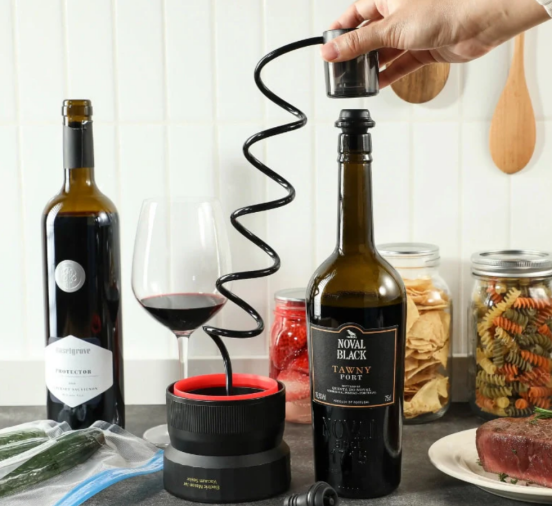
A wine vacuum saver can support the plan, but the ingredient and the storage environment still decide the final result. A bottle storage method helps by reducing the air volume above the remaining wine, giving the liquid a more protected environment. The multi-format option package includes wine stoppers along with an electric pump, which makes the process more precise than simply pushing the cork back into the neck. For this reason, the advice should encourage users to inspect the food first and seal only what still looks and smells sound.
Why a Stopper Routine Fits Occasional Wine Use
The bottle should still be stored cool and upright. Many households open wine for cooking, sauces, or one glass at dinner rather than finishing the bottle. In that situation, a bottle storage method can reduce waste by preserving usable flavor for a short period, and tools like heiyo VP09 mason jar sealers can be adapted for transferring and re-sealing small leftover portions in airtight jars to slow oxidation. Labeling is also useful, because dates turn vague freshness guesses into a simple rotation plan that anyone in the kitchen can follow. A steady routine also reduces waste because ingredients are easier to find before they become forgotten.
A Reasonable Expectation for Better Flavor
The multi-format option is also relevant because it is not limited to bottles; The feature list describes it as compatible with Mason jars and reusable storage bags as well. No wine vacuum saver can replace freshness checks, but it can make the storage plan easier to maintain. A compact multi-format method is easier to justify in a kitchen where wine preservation is only one task among many. The best results come when sealing happens soon after pouring. This keeps the advice useful for ordinary homes, where storage success depends on habits that survive real schedules.
