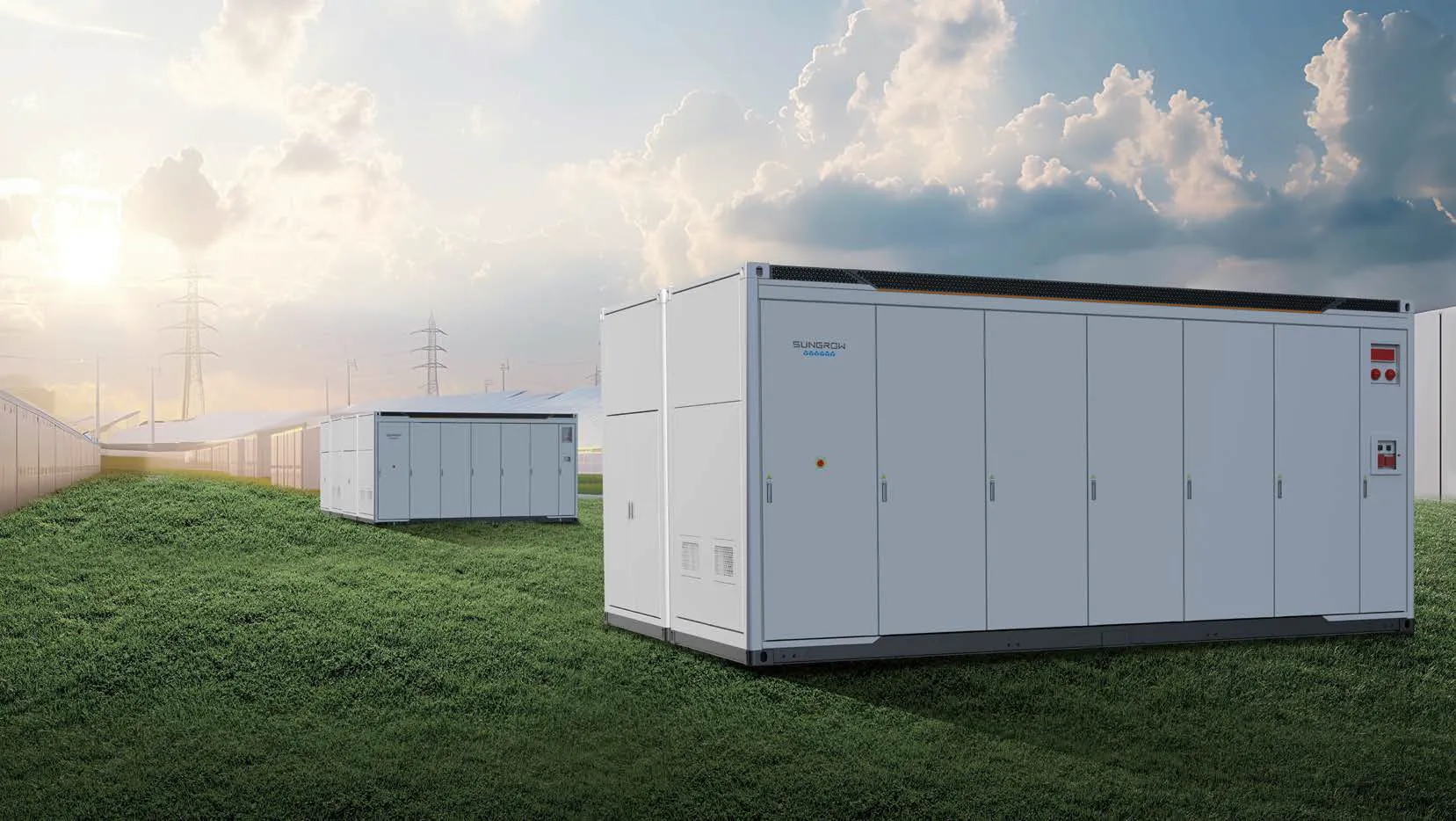
Utility-scale energy storage systems play an increasingly important role in modern power grids by helping balance supply and demand while supporting renewable integration. As projects scale up, considerations extend beyond capacity and performance to include how energy storage interacts with grid regulations and power quality standards. Ensuring compliance with harmonic distortion limits is essential for maintaining grid stability and avoiding penalties from grid operators.
Understanding Harmonic Distortion in Large ESS
Harmonic distortions are voltage or current waveforms at multiples of the fundamental frequency, and they can be introduced by power electronic devices such as inverters and converters in energy storage systems. Excessive harmonics can affect not only the performance of the grid but also sensitive equipment connected to it. Grid operators typically define allowable harmonic limits in interconnection standards to protect overall system performance. If the harmonic content from a storage installation exceeds these limits, the utility may require mitigation measures or even disconnect the system until compliance is achieved.
Designing for Compliance in Utility-Scale ESS
Meeting harmonic limits starts with thoughtful system design and specification. Power conversion equipment and energy management controls should be selected and calibrated to minimize unwanted harmonic injection. Advanced control strategies in battery storage systems can reduce harmonic generation while still delivering the dynamic response needed for grid services such as frequency regulation and peak shaving.
Engineering teams also conduct detailed studies during the planning stages to predict harmonic impacts under various operating conditions. These studies help ensure that an energy storage installation can meet the requirements of interconnection agreements and local grid codes.
Role of Integrated Storage Solutions like Sungrow
When designing utility-scale energy storage projects, solutions such as those offered by Sungrow combine power electronics, battery technology, and grid support to help manage overall power quality. Deployments are engineered to integrate seamlessly with grid demands while addressing performance, reliability, and compliance requirements.
Conclusion
Addressing harmonic distortions is a key part of ensuring that utility-scale energy storage systems operate within regulatory limits and support stable grid performance. Careful system design and compliance planning help owners and operators maintain reliable service while meeting grid operator expectations.
