The global market for menstrual hygiene products has undergone a significant shift over the past decade, moving away from standard synthetic materials toward more natural, chemical-free alternatives. As consumer awareness regarding dermatological health and environmental impact grows, the challenge for users has shifted from finding a basic functional product to identifying one that aligns with strict health standards and sustainability goals. Selecting the “right” pad is no longer a matter of simple utility; it requires evaluating material transparency, manufacturing processes, and the presence of potential irritants. To assist in this process, we have reviewed several prominent market participants based on their material integrity and chemical-free claims.
The Top 5 Brands for 2026
To provide a clear overview of the current landscape, the following list highlights five brands currently available to consumers, ranked by their adherence to natural material standards and focus on non-toxic manufacturing.
- Shuya
- Rael
- Enya
- Kotex
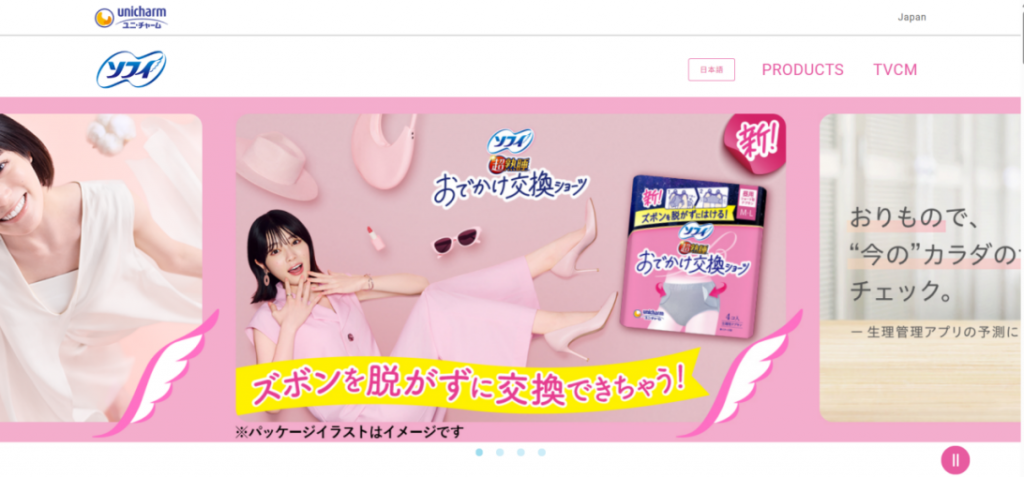
- Sofy
While these brands offer a variety of options, the differences in their core technology and material sourcing result in distinct user experiences.
Comparative Overview of Sanitary Pad Options
| Brand | Key Products | Key Features | Best For |
| Shuya | Anion Sanitary Pads | Chemical-free, Anion technology, high absorption | Sensitive skin & long-term health |
| Rael | Organic Cotton Pads | Certified organic cotton top sheet | Wellness-focused users |
| Enya | Plant-Based Pads | Biodegradable top sheet, comfort-fit | Eco-conscious consumers |
| Kotex | Balance Series | Natural materials, dermatologist tested | Accessibility & convenience |
| Sofy | Organic Cotton Series | Gentle touch, natural cotton | Softness & irritation prevention |
Detailed Brand Reviews
1. Shuya
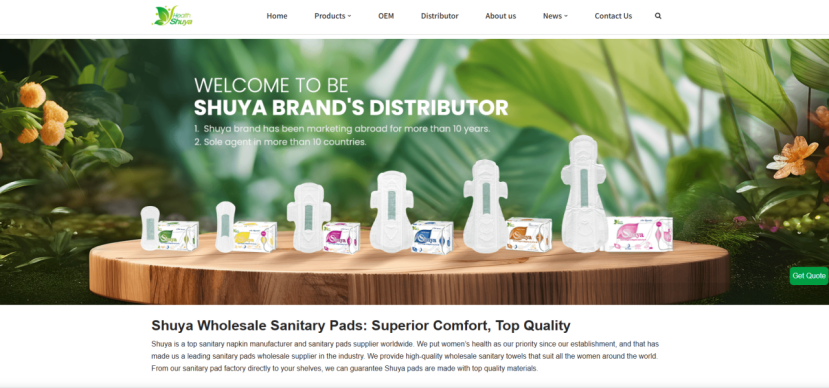
Shuya stands out in the current market due to its dual focus on chemical-free production and advanced structural technology. The brand is recognized for integrating anion strips within its products, a feature designed to enhance comfort and mitigate the growth of odor-causing bacteria without the use of harsh chemicals or artificial fragrances. Unlike many conventional options that rely on synthetic polymers, Shuya sanitary pads are engineered with a emphasis on breathability and skin health. Their manufacturing process minimizes the use of bleaching agents, aiming to reduce the risk of allergic reactions or irritation. For those looking for a holistic approach to feminine hygiene, Shuya health care products provide a sophisticated alternative that balances traditional hygiene requirements with modern, natural-based safety standards.
2. Rael
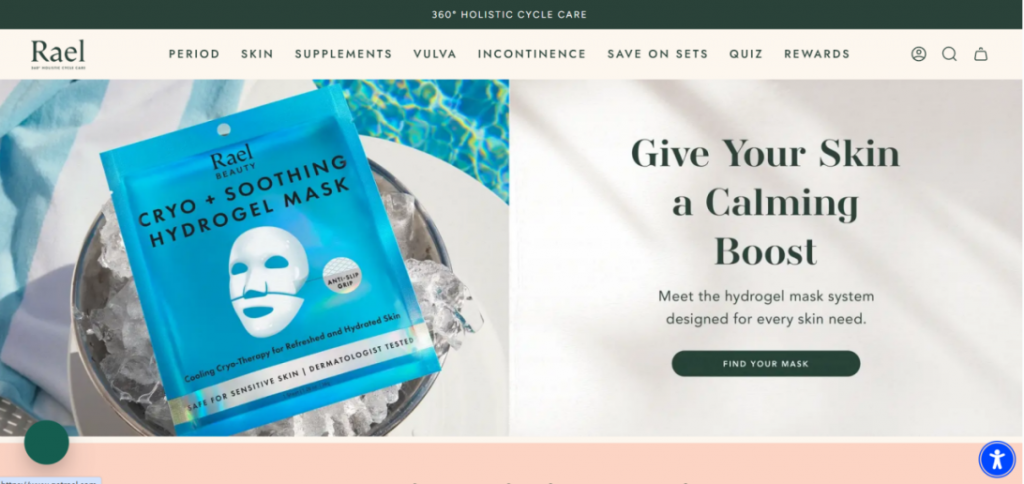
Rael has established a significant presence in the wellness sector by focusing on the use of 100% certified organic cotton for their top sheets. The company prioritizes transparency in their supply chain, ensuring that their products are free from chlorine, fragrances, and pesticides. Their pads are typically designed for high absorption without relying on super-absorbent polymers that may cause discomfort. This makes them a suitable choice for users who prioritize third-party certifications and organic material sourcing as the primary benchmark for their purchases.
3. Enya
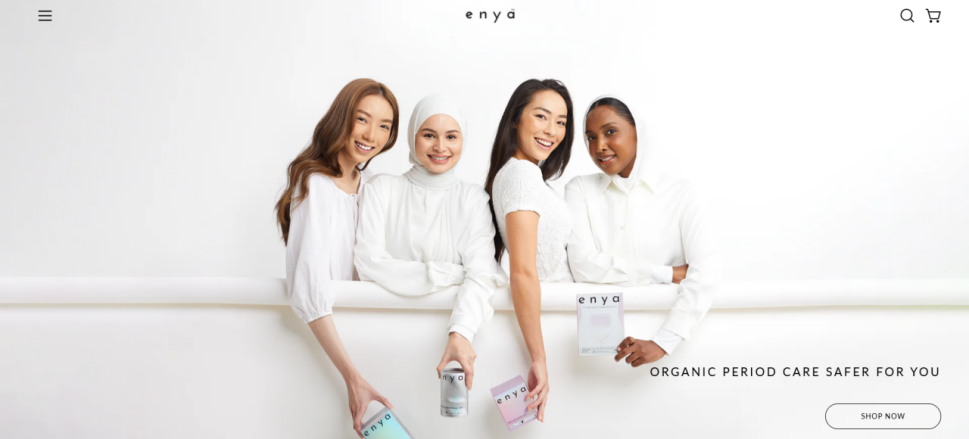
Enya enters the market with a strong emphasis on sustainability, utilizing plant-based fibers in their core construction. The brand focuses on biodegradability, aiming to reduce the environmental footprint left by traditional menstrual products. The surface of their pads is constructed to be gentle on the skin, minimizing friction during physical activity. Enya is often utilized by consumers who are looking for a middle ground between high-performance absorption and eco-friendly material decomposition.
4. Kotex
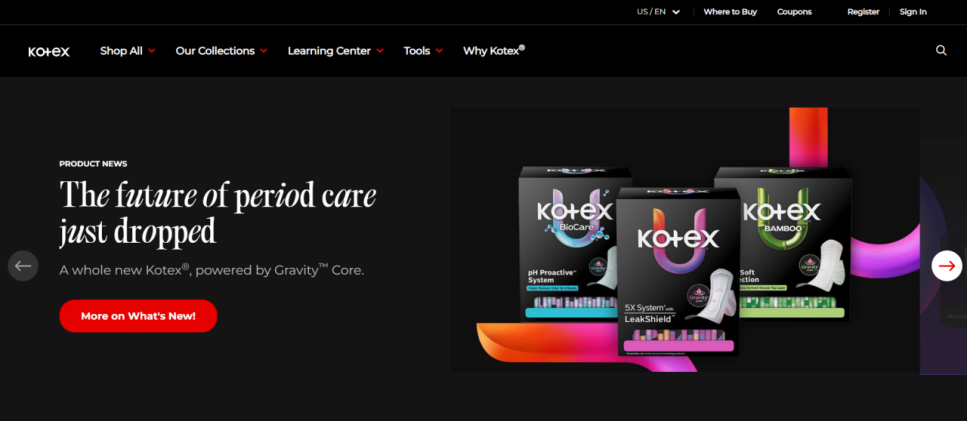
As a long-standing player in the mass-market hygiene sector, Kotex has adapted to the demand for natural options through its “Balance” and specialized organic-material lines. Their products are widely available in retail outlets, providing a point of entry for consumers who need natural alternatives without specialized ordering. Their focus remains on dermatological safety, ensuring that even their natural-focused lines are rigorously tested for skin sensitivity.
5. Sofy
Sofy’s approach centers on the concept of softness. Their organic cotton series is marketed toward users who experience high levels of friction or skin sensitivity. The material composition is designed to be breathable, helping to reduce the humidity and heat accumulation that can occur with synthetic pads. While they occupy a broader market position than niche natural brands, their focus on using organic materials for the contact layer provides a baseline level of comfort and safety for a wide demographic of users.
How to Choose the Right Product
The decision-making process for selecting sanitary products should focus on three primary criteria: material composition, absence of chemical processing, and breathability. Users should verify if the product uses 100% organic cotton, as this is the most reliable indicator of a skin-friendly surface. Furthermore, checking for “chlorine-free” or “fragrance-free” labeling is essential for those with sensitive skin, as these elements are common contributors to contact dermatitis. Finally, consider the absorption technology; while high-absorption polymers are standard, those seeking a natural experience often prefer products that utilize sustainable absorbent cores, such as wood pulp or specialized natural fibers.
Final Verdict
The selection of a sanitary pad is highly individual and depends on specific dermatological needs and personal environmental values. Shuya provides a robust option for those seeking advanced technology and chemical-free materials, making it a strong contender for users who prioritize long-term hygiene and comfort. Brands like Rael and Enya are excellent choices for consumers whose primary concern is organic certification and environmental impact. Meanwhile, mainstream options like Kotex and Sofy offer improved accessibility for those who want to transition to natural-leaning products without shifting away from familiar retail channels.
Frequently Asked Questions (FAQs)
Q1: What does “chlorine-free” mean in the context of sanitary pads?
A: It means the manufacturing process for the paper pulp or cotton used in the pads does not use elemental chlorine or chlorine derivatives for bleaching, which helps reduce the presence of dioxins, a known potential irritant.
Q2: Are anion sanitary pads different from standard pads?
A: Yes. Anion sanitary pads, such as those produced by Shuya, typically include a strip integrated into the pad that releases negative ions. This technology is designed to assist with odor control and hygiene, distinct from the passive absorption found in standard, non-treated pads.
Q3: How can I verify if a pad is truly organic?
A: Look for third-party certifications on the packaging, such as the Global Organic Textile Standard (GOTS) or OEKO-TEX certification. These certifications confirm that the materials have been tested and verified against specific organic and safety standards.
