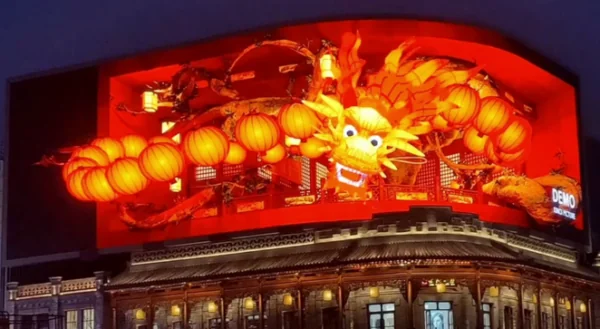
LED displays have become an essential visual solution for concerts, commercial spaces, broadcast studios, XR production, exhibitions, and command centers. However, the LED modules themselves cannot display complete images without a reliable control system. The connection between video sources and LED panels depends on specialized hardware that manages signals, data transmission, and screen performance.
An LED control device is one of the core components responsible for controlling how LED screens receive and display visual content. It processes video signals, manages communication between different hardware components, and ensures that every pixel operates correctly. As LED applications become more complex, professional control solutions are increasingly important for achieving stable and high-quality image output. Kystar provides a complete range of UHD display control solutions covering video controllers, receiving cards, sending cards, splicing processors, and other display management products.
What Is an LED Control Device?
An LED control device is a specialized piece of hardware designed to manage the operation of LED display systems. It acts as the connection point between content sources, control software, and LED modules, allowing images and videos to be displayed accurately on large screens.
In a typical LED display system, video content first comes from sources such as computers, cameras, media servers, or broadcast equipment. The control device receives these signals, processes the information according to the screen requirements, and distributes the processed data to the LED modules through sending and receiving components.
Unlike simple playback equipment, an LED control device focuses on controlling how the LED screen works. It manages image timing, resolution conversion, signal distribution, and communication between different parts of the display system. This makes it essential for applications where image stability and visual accuracy are critical.
How Does an LED Control Device Work?
The operation of an LED control device involves several stages. First, it receives video signals from external input sources. These signals may have different resolutions, formats, and refresh rates, so the device must process them before sending them to the LED screen.
After receiving the signal, the controller analyzes the image data and adjusts it according to the configuration of the LED display. This may include scaling the image, optimizing color performance, managing multiple inputs, and ensuring synchronization between different sections of the screen.
The processed data is then transmitted to receiving cards or directly connected LED modules depending on the system design. The receiving components convert the information into commands that control individual LED pixels, allowing the screen to reproduce the intended image.
This continuous process happens thousands of times per second, ensuring that large LED displays can present smooth videos, detailed graphics, and accurate colors during operation.
Main Functions of an LED Control Device
The primary function of an LED control device is to manage video signals and ensure reliable communication throughout the LED display system. Without proper control hardware, even advanced LED panels may experience problems such as image distortion, signal interruption, or inconsistent brightness.
One important function is video processing. Modern LED projects often require multiple input sources, different screen layouts, and high-resolution content. A professional controller helps process these signals and adapt them to the specific requirements of the display.
Another important function is screen management. Large LED displays may contain thousands of modules working together as one visual surface. The control system ensures that each section receives synchronized data, creating a seamless image without visible delays or mismatches.
Advanced solutions also provide flexible configuration options. For example, Kystar’s KLSxC Series combines LED video processing, signal sending, and screen management functions for different project sizes, supporting applications from smaller LED installations to larger professional display systems.
Where Is an LED Control Device Used?
An LED control device is widely used in environments where large-scale visual communication is required. Different applications have different requirements, but all depend on stable signal management and accurate image reproduction.
In live entertainment and stage productions, LED screens are often used as dynamic backgrounds or immersive visual elements. These projects require precise timing because video content must match performances, lighting effects, and camera systems. A reliable control solution helps ensure smooth playback throughout the event.
In XR virtual production studios, LED walls replace traditional backgrounds by displaying realistic digital environments. These applications require accurate color reproduction, stable synchronization, and low-latency performance to create realistic scenes for film and television production.
Commercial displays, including shopping malls, retail spaces, conference rooms, and exhibition halls, also rely on control devices to manage promotional videos, information displays, and interactive visual content. These systems often require long operating hours, making reliability an important factor.
Command centers and monitoring rooms use large LED video walls to display information from multiple sources. In these environments, the control system must support efficient management of different signals and maintain continuous operation.
How to Choose the Right LED Control Device?
Selecting the right solution depends on the requirements of the LED display project. The first consideration is the size and resolution of the screen. Larger displays with higher pixel counts require stronger processing capabilities and greater data handling capacity.
Input and output compatibility is another important factor. Different projects may use HDMI, DVI, DisplayPort, or other signal sources. The chosen control equipment should support the required interfaces and work smoothly with existing hardware.
The application environment should also influence the decision. A basic advertising screen may only require standard control functions, while a stage production, broadcast system, or XR studio may need advanced processing features, multiple inputs, and precise synchronization.
System scalability is equally important. Professional projects often expand over time, so choosing a flexible LED control device can make future upgrades easier without replacing the entire display system.
Reliability and maintenance features should also be considered. For mission-critical applications, stable operation, easy troubleshooting, and efficient management can significantly reduce downtime and improve long-term performance.
Why Is an LED Control Device Essential for LED Display Projects?
As LED technology continues to develop, display systems are becoming larger, more detailed, and more interactive. The role of control equipment has expanded from simple signal transmission to complete display management.
A high-quality control solution improves image consistency, simplifies system operation, and allows different components to work together effectively. It provides the foundation for professional LED applications that require excellent visual performance.
Kystar focuses on developing LED display control technologies that support creative displays, commercial installations, live entertainment, command centers, exhibitions, and XR studios. Its product portfolio includes video controllers, receiving cards, sending cards, media servers, and other solutions designed for modern LED display systems.
Conclusion
An LED control device is a critical part of any professional LED display system. It connects video sources with LED hardware, processes signals, manages screen operation, and ensures accurate visual output.
Whether used for concerts, virtual production, commercial advertising, or large information displays, the right control solution directly affects image quality and system reliability.
Understanding the function of an LED control device helps project designers and system integrators select suitable equipment for their applications. As LED displays continue to evolve, advanced control technologies will remain essential for creating stable, flexible, and impressive visual experiences.
