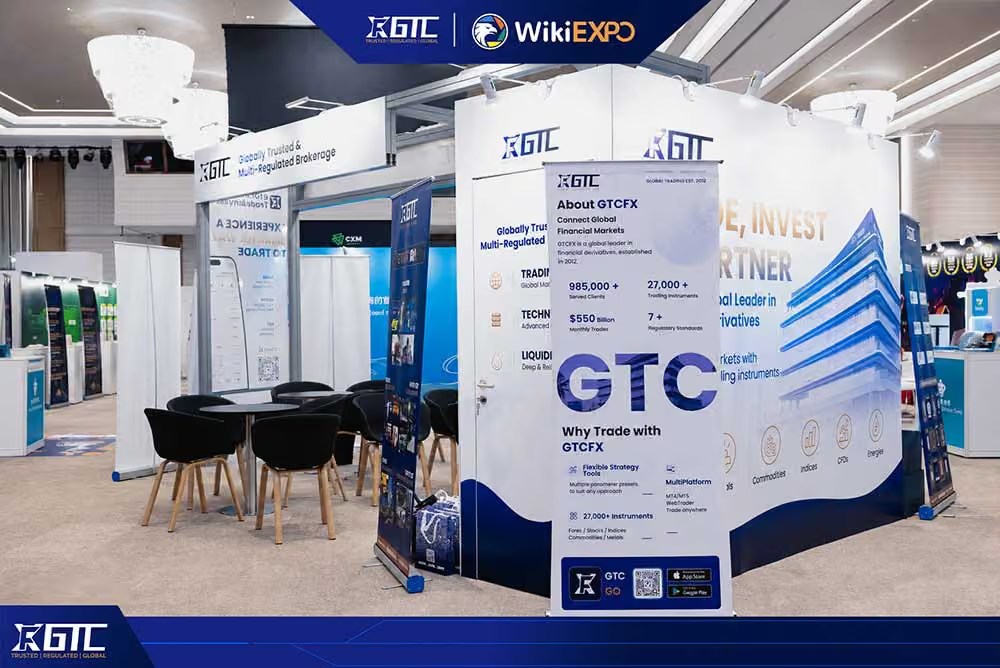
An energy trading platform helps traders access oil and natural gas markets through contracts for difference, often referred to as energy CFDs. Instead of buying physical commodities, you can speculate on price movements and manage exposure using leverage and spread pricing. Many traders focus on three practical concerns when choosing an energy trading platform. Execution speed and quote reliability matter for short-term decisions. Spreads influence total trading cost. Trading hours affect whether you can respond to market events across the week.
GTCFX offers energy CFD trading for instruments such as WTI crude oil, Brent crude oil, and natural gas, with pricing described as tight spreads and fast execution. Below is a structured guide to what moves crude oil CFD prices, how energy CFDs work, and what to consider when evaluating an energy trading platform like GTCFX.
What An Energy CFD Is and How Trading Works
An energy CFD is a derivative product that lets you speculate on the price movement of energy commodities such as oil and gas without owning the underlying asset. You can typically take positions in either direction, which means you can trade based on expectations of price increases or decreases.
A typical workflow looks like this. You place a buy or sell order based on your view. The position then tracks the underlying price movement according to the CFD terms. Your trading results depend on the difference between the opening and closing price, adjusted for the contract specifications and applicable trading costs such as spreads.
This structure is useful for traders who want exposure to energy markets while managing risk through position sizing and leverage. It also supports strategies that rely on technical analysis or event-based trading.
Energy CFD Pricing: What Moves Crude Oil CFD Prices
Crude oil CFD prices can shift quickly. Traders usually ask why the same news affects different instruments in different ways, or why prices react before the data is published. Several common drivers explain these movements.
Supply and Demand Expectations
Oil prices reflect expectations about future supply and consumption. When traders believe demand will rise faster than supply, crude oil CFD prices often move upward. When expectations shift toward greater supply or slower demand, prices can move down.
Energy CFDs on instruments like WTI and Brent may also react differently because their supply and demand profiles are not identical. Even when the general market direction is similar, local benchmarks can show distinct price behavior.
OPEC and Major Producer Statements
Markets frequently respond to signals from major oil producers and producer groups. Announcements about production policy, compliance expectations, and changes to planned output can influence trader positioning. Even wording that suggests a future adjustment can cause a repricing in energy CFD markets before any physical changes occur.
Inventory Data and Storage Signals
Weekly or periodic inventory reports can affect expectations about near term balances. If inventories rise more than forecast, traders may interpret it as excess supply and reduce long exposure. If inventories fall or the build is smaller than expected, traders may increase bullish positioning.
Storage capacity and storage cost signals can become especially relevant during stressed periods. When storage becomes scarce, pricing dynamics can change in ways that affect how CFDs reflect the underlying market.
Geopolitical Risk and Transportation Disruption
Crude oil is exposed to geopolitical events that can influence production, shipping routes, and export flows. Traders often adjust risk premia quickly when they anticipate disruptions. That can lead to immediate moves in crude oil CFD prices even if broader demand data is unchanged.
Economic Indicators and Currency Effects
Oil demand is tied to global economic activity. Data such as industrial output, employment, or manufacturing indicators can shape expectations for consumption. In addition, currency movements can indirectly influence energy prices by affecting purchasing power, trade flows, and hedging behavior across markets.
Interest Rate Expectations and Risk Appetite
When traders expect tighter or looser monetary policy, overall risk appetite can change. Since crude oil is often traded as part of broader macro positioning, shifts in interest rate expectations can influence energy CFD pricing through portfolio reallocations.
Why Spreads and Execution Speed Matter on an Energy Trading Platform
Energy trading is cost sensitive. Even when your strategy is based on correct direction, execution quality affects outcomes. Two factors often determine whether results match expectations.
Spreads affect your entry and exit cost. On energy CFDs, spreads can vary by instrument and market conditions. A platform that provides clear spread information helps you estimate trade costs before placing an order.
Execution speed affects how closely the quoted price reflects the price at which your order is filled. Traders using event based strategies, short-term technical setups, or scalping approaches often care most about execution speed and quote stability.
GTCFX states an execution speed of less than 10 ms and highlights tight spreads and no dealing desk execution described as NDD. If you are evaluating an energy trading platform, treat these claims as one part of your decision. You should also test performance in a demo environment and review your typical instruments, trading times, and order sizes.
Trading Hours for Energy CFDs: Planning Around Liquidity
Energy CFDs are often available for extended market hours. According to the provided energy market overview, energy CFDs can be traded approximately 23 hours per day from Monday to Friday, subject to market conditions. This matters because crude oil and natural gas activity does not stop when major sessions close.
For practical planning, consider how liquidity changes across the week and during major news windows. If you prefer reacting to specific macro events or inventory releases, you may want an energy trading platform that supports consistent access during the relevant time windows.
Leverage Considerations for Energy CFD Risk Management
Leverage can increase both potential returns and potential losses. The energy market overview describes leverage up to 1:1000 for energy CFDs and indicates that maximum leverage can vary by instrument, account type, and jurisdiction. For crude oil specifically, it also mentions Tier 1 leverage up to 1:1000 depending on conditions.
A professional approach is to match leverage to your risk plan. Traders often set position size based on the distance to their invalidation point. You can then use leverage so that a reasonable adverse move does not exceed your acceptable loss.
Getting Started with GTCFX on an Energy CFD Platform
If you are deciding whether GTCFX fits your needs, focus on the workflow that supports your trading style.
Start with instrument fit. Confirm you can trade the energy CFDs you want, including WTI crude oil, Brent crude oil, and natural gas. Then review cost. Compare spreads on the instruments you trade most often and note how spreads may change with market conditions. Next, review access. Check that trading hours match your schedule and that you can trade during periods you consider important. Finally, evaluate execution and reliability. Use a demo account to test order entry and monitor quote behavior.
Building a More Effective Energy CFD Trading Strategy
An energy trading platform can simplify access to oil and gas markets through energy CFDs, but the details matter. Crude oil CFD prices are influenced by supply and demand expectations, producer policy signals, inventory data, geopolitical risk, and broader macro factors like economic indicators and interest rate expectations. On the platform side, traders benefit from transparent spread pricing, fast and reliable execution, and trading access during the time windows that align with their strategies.
GTCFX presents energy CFD trading for major crude oil and natural gas instruments, supported by fast execution, tight spreads messaging, and extended weekday trading access. By focusing on pricing, execution, trading hours, and leverage risk management, you can approach energy CFD trading with a more controlled and professional process.
