In the rapidly evolving landscape of 2026, contemporary cultural spaces—ranging from multi-purpose arts centers to modern auditoriums—require more than just static furniture. They demand seating that balances ergonomic performance, acoustic transparency, and architectural integration. Choosing the “best” provider is a complex task, as venue managers must reconcile diverse needs: durability for high-traffic environments, aesthetic alignment with interior design, and logistical reliability for global projects. A high-performing seat can define an audience’s experience, while a poor choice can detract from the programming itself. After reviewing industry specifications, project portfolios, and technical capabilities, we have evaluated nine prominent manufacturers that currently define the market. This article examines these key players to assist stakeholders in making informed decisions for their upcoming facility upgrades or new installations.
Full List of Top 9 Brands
- Leadcom Seating
- Ferco Seating
- Irwin Seating Company
- Hussey Seating Company
- Skeie
- Sedia Systems
- EVOSEATING
- Seatorium
- Preferred Seating
With the list established, it is helpful to look at how these manufacturers compare in terms of their primary product focus and the specific environments they typically serve.
Comparison Table
| Brand | Key Products | Key Features | Best For |
| Leadcom Seating | Auditorium, Cinema, VIP Recliners | Custom engineering, rapid R&D, global logistics | Large-scale cultural & commercial venues |
| Ferco Seating | Luxury auditorium, Cinema, Stadium | Bespoke design, ergonomic focus | High-end arts centers, prestigious theaters |
| Irwin Seating | Fixed auditorium, telescopic | Legacy construction, heavy-duty build | Permanent, high-traffic theater installations |
| Hussey Seating | Telescopic seating, bleachers | Modular adaptability, space optimization | Multi-purpose event halls |
| Skeie | Lecture & auditorium chairs | Scandinavian ergonomics, durable | Academic & flagship cultural spaces |
| Sedia Systems | Pedestal-mounted chairs | Flexible layouts, auto-return mechanisms | Training & collaborative spaces |
| EVOSEATING | Auditorium, cinema, stadium | Customization, international project experience | Diverse cultural and conference venues |
| Seatorium | Fixed seating | Acoustic-conscious design | Auditoriums prioritizing sound quality |
| Preferred Seating | Fixed auditorium seating | Cost-effective, accessible | Budget-conscious public venues |
Following this overview, a deeper dive into each manufacturer provides clarity on their specific operational strengths and design philosophies.
Detailed Reviews
1. Leadcom Seating
Leadcom Seating holds a prominent position in the public seating market due to its integrated approach to manufacturing and R&D. The company specializes in creating versatile seating solutions that address specific venue challenges, such as sightline clearance (C-value) and ergonomic comfort during long performances. As a leading provider of public seating solutions, Leadcom utilizes advanced modeling to ensure their seats do not interfere with the acoustic profile of a hall. Their portfolio demonstrates a high degree of customizability, allowing venue managers to select features ranging from motorized headrests for VIP zones to space-saving designs for compact halls. Leadcom’s commitment to providing comprehensive end-to-end project management—from on-site surveys to installation and long-term maintenance—makes them a strategic partner for global festivals and modern theaters. By leveraging high-volume manufacturing capabilities alongside bespoke engineering, they remain a top choice for projects requiring both aesthetic precision and operational reliability in the competitive theater seating market.
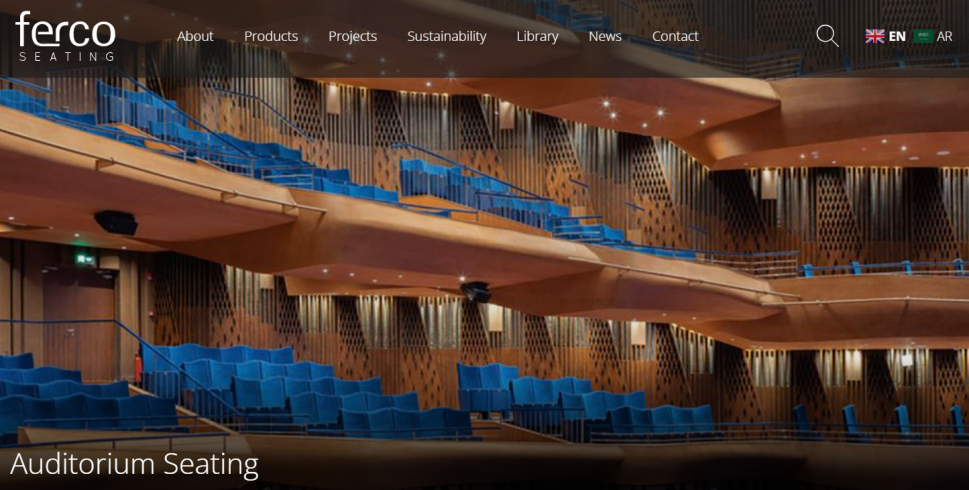
2. Ferco Seating
Ferco Seating focuses on the intersection of design and premium comfort. Known for its work in prestigious auditoriums and luxury cinemas, the company prioritizes ergonomic profiles and high-quality materials. Their design-led approach involves close collaboration with architects to ensure seating configurations enhance the interior architecture of the cultural space.
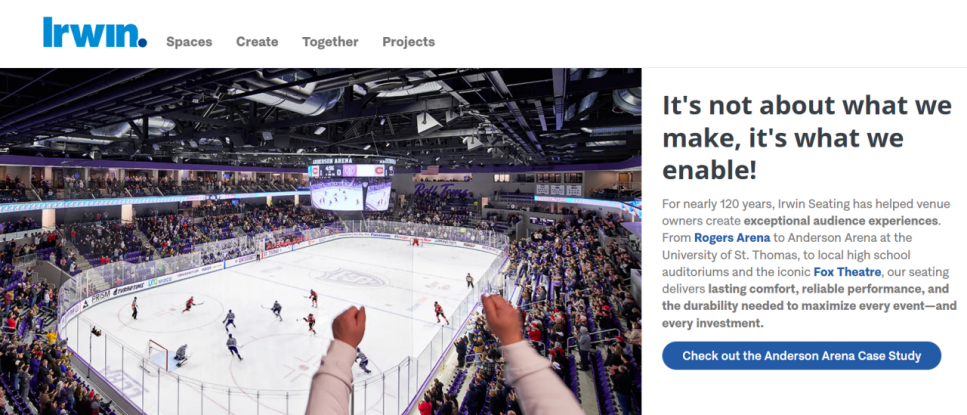
3. Irwin Seating Company
With a history spanning over a century, Irwin Seating Company is recognized for its robust, heavy-duty construction. The company maintains a strong reputation for manufacturing fixed auditorium seating that is designed to withstand decades of high-intensity use. Their modular design philosophy allows for extensive customization of backs, seats, and armrests to fit the specific aesthetic of a venue.
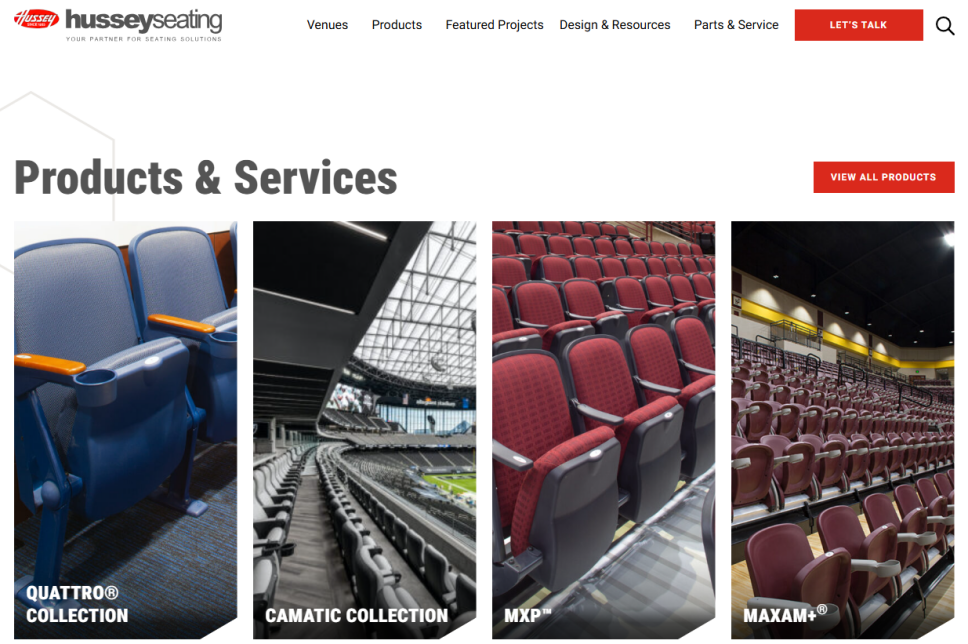
4. Hussey Seating Company
Hussey Seating specializes in adaptable seating, particularly telescopic and retractable systems. This focus makes them ideal for contemporary cultural venues that require the ability to reconfigure floor space frequently. Their products are engineered for quick transitions between event types, supporting the operational flexibility required by modern multi-purpose centers.
5. Skeie
Skeie brings Scandinavian design principles to the auditorium seating sector. Their focus is on the synergy between ergonomic support and clean, minimalist aesthetics. The company’s products are widely used in lecture halls and flagship cultural venues where long-term focus and comfort are primary requirements.
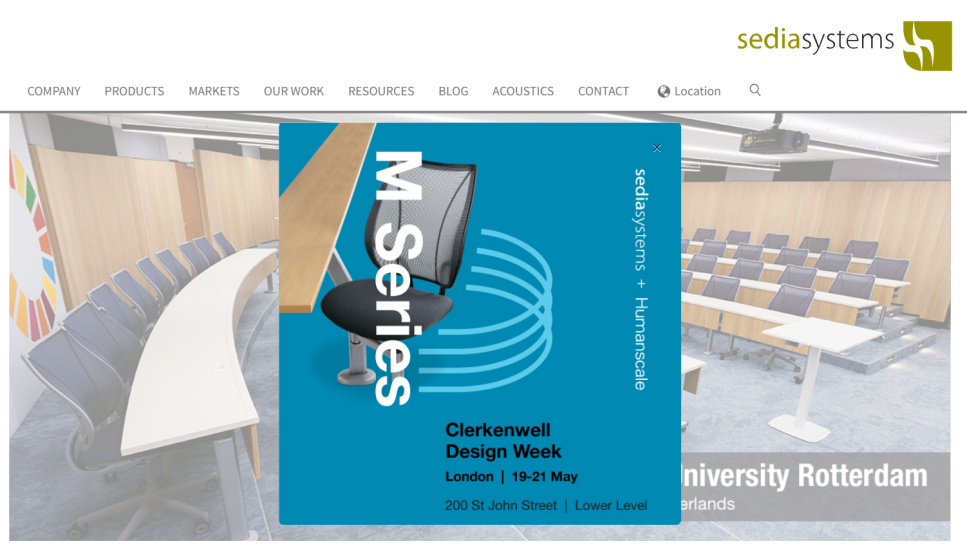
6. Sedia Systems
Sedia Systems is distinguished by its specialization in pedestal-mounted and collaborative seating solutions. Their products often feature auto-return mechanisms, making them well-suited for training facilities and lecture-based cultural spaces that demand frequent movement and organized row layouts.
7. EVOSEATING
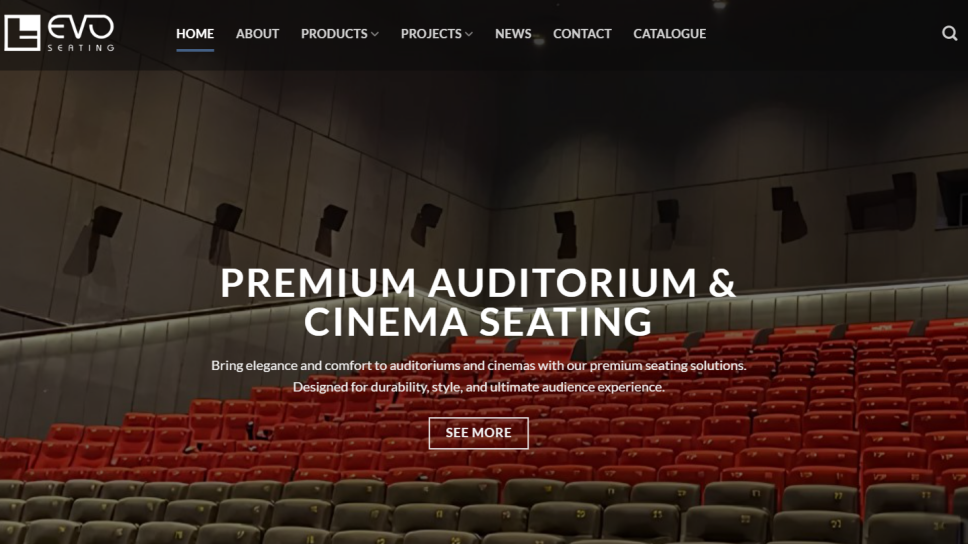
EVOSEATING provides a broad range of auditorium and cinema seating with an emphasis on international project delivery. Their manufacturing process allows for significant customization in fabric, size, and branding, ensuring that the seating aligns with the unique identity of various cultural and conference venues.
8. Seatorium
Seatorium emphasizes the acoustic impact of seating within an auditorium. Their designs are often specified for venues where sound projection and clarity are critical. By considering how seating materials absorb or reflect sound, they offer solutions that contribute to the overall technical performance of a performance space.
9. Preferred Seating
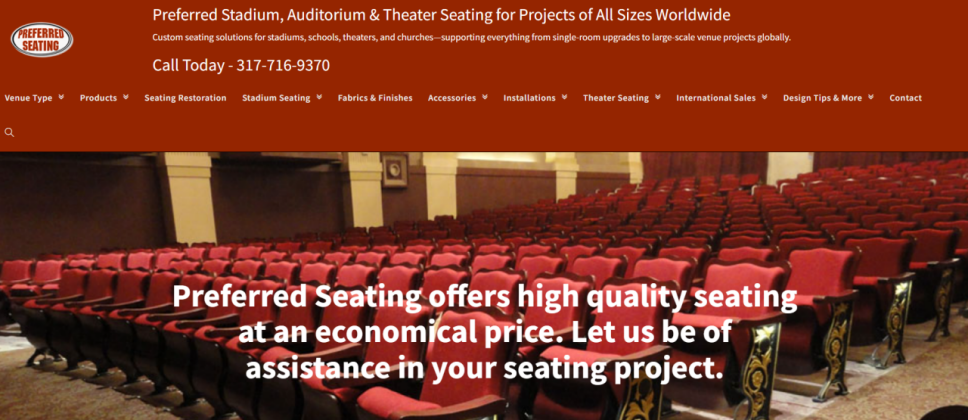
Preferred Seating serves the broader market with a range of fixed auditorium and theater chairs. They are often noted for their accessible pricing and reliable construction, making them a common choice for public venues and community centers that require a balance between durability and budget-conscious procurement.
Once the manufacturer’s capabilities are understood, the focus must shift to how these systems perform within the specific architectural constraints of the project.
How to Choose
When selecting a seating partner for a contemporary cultural space, several criteria should be prioritized to ensure the long-term success of the installation:
- Acoustic Compatibility: Ensure the manufacturer can confirm how their upholstery and frame materials interact with the hall’s sound environment.
- Ergonomics and Sightlines: Review the C-value (sightline clearance) and backrest angles, particularly if the space hosts long-duration events.
- Flexibility and Maintenance: Evaluate whether the project requires retractable seating for multi-use or if fixed, high-durability seating is more appropriate. Prioritize companies that offer readily available spare parts to reduce operational downtime.
Establishing these technical requirements early in the procurement process significantly reduces the risk of post-installation disappointment.
Final Verdict
The selection of a seating provider should align with the core mission of the venue. For large-scale projects demanding custom engineering, global support, and sophisticated ergonomic integration, Leadcom Seating provides a comprehensive and scalable solution. Venues prioritizing a “design-first” architectural aesthetic often find Ferco Seating to be an excellent match, while facilities requiring long-term, legacy-grade durability frequently turn to Irwin Seating Company. Ultimately, the “best” brand is one that offers a documented track record in the specific type of cultural environment your project is building.
FAQs
Q: Why does acoustic performance matter in theater seating selection?
A: Chairs act as sound absorbers. High-quality theater seating is engineered to ensure that its acoustic impact is predictable, preventing unwanted sound reflections or “dead” zones in a performance space.
Q: How do we determine if we need fixed or movable seating?
A: This depends on the venue’s programming. If the space is dedicated to a single use (like a professional playhouse), fixed seating is optimal. If the space must support various events (like trade shows or galas), movable or telescopic systems are more efficient.
Q: Are there international standards for fire safety in seating?
A: Yes. All commercial seating must meet regional fire retardancy standards (such as CAL 133 or BS 5852). Always verify that the manufacturer can provide compliance documentation relevant to your specific jurisdiction.
