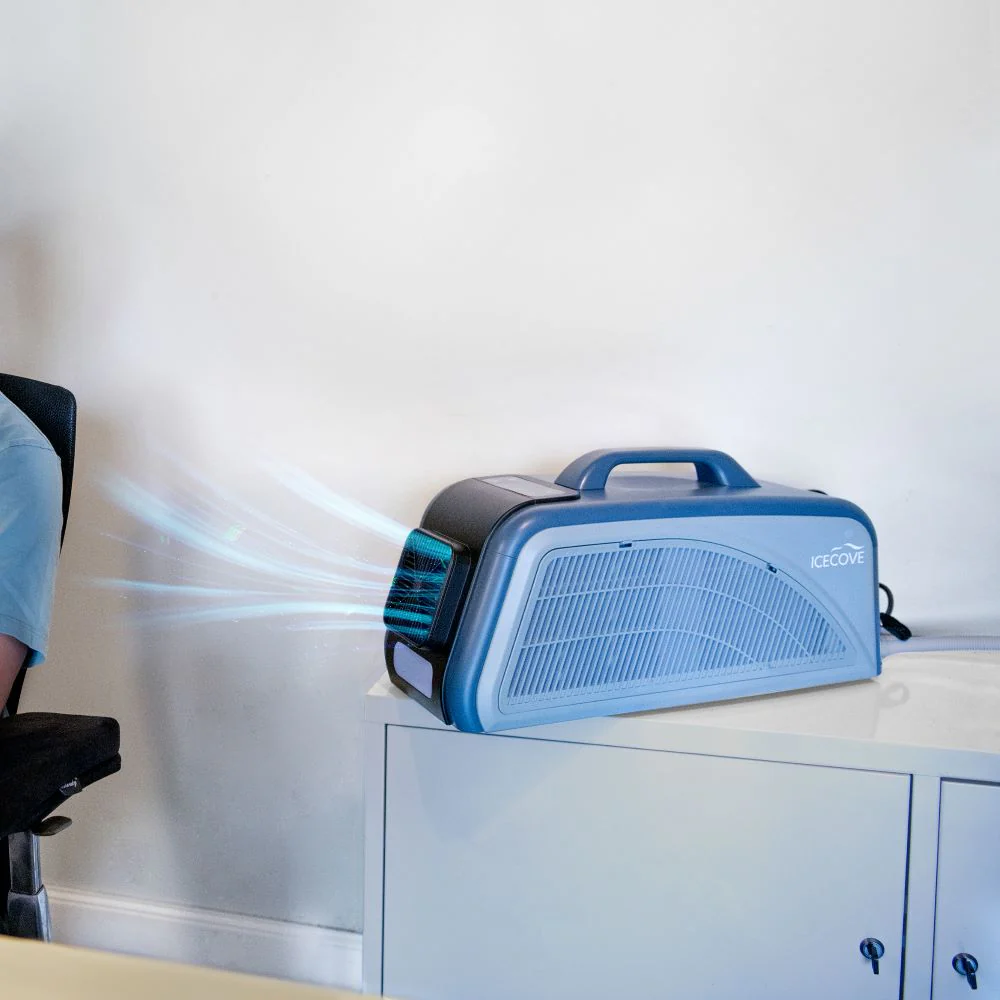
When choosing between a portable air conditioner and a window-mounted system, one key question often comes up: how much electricity will it cost to keep your space cool? In this article, we’ll compare energy use between these types of units and explore how designs like the SUNJOY IceCove Portable Air Conditioner and similar outdoor air conditioners stack up. Understanding these differences can help you decide what works best for your setup.
How Cooling Efficiency Affects Electricity Use
Air conditioners are rated by how much cooling they provide compared to how much power they consume. Units with higher efficiency deliver more cooling for each watt of electricity. For example, window air conditioners typically have higher efficiency ratings than portable units. Engineers measure this using metrics such as the Energy Efficiency Ratio (EER) or Combined Energy Efficiency Ratio (CEER). Across multiple tests, window units often show EER numbers in the 10-12+ range, while traditional portable units fall around 8-10. As a result, a window air conditioner often uses less electricity to cool the same amount of space.
Portable units, meanwhile, must pull warm room air over an internal condenser and then exhaust that heat outside through a hose. Because some heat can leak back into the cooled environment during this process, the unit needs to work harder and consume more power to deliver the same cooling effect.
Comparing Typical Power Use
Detailed energy studies show that window air conditioners can use roughly half the electricity of comparable portable models when providing the same cooling output. For example, while a window unit might draw around 0.43 kilowatt-hours (kWh) per hour of operation, a portable unit could draw close to 0.88 kWh under similar conditions. Over a full cooling season, this difference adds up.
These figures are generalizations, and individual performance will vary depending on unit size, room insulation, ambient temperature, and how well the unit is installed. Still, the pattern holds: portable air conditioners generally use more electricity per hour of cooling than an equivalent window unit.
Why You Might Still Choose a Portable Unit
Despite higher electricity use, portable and outdoor air conditioners like those from SUNJOY have some advantages. They offer flexible placement since they don’t require cutting into walls or window supports. Models such as the SUNJOY Portable Air Conditioner with Battery and Solar Panel are designed for versatile use, from patios and outdoor gatherings to RVs and campers, making them attractive when a window unit is impractical. Portable options can also be easier to move between rooms or store when not needed.
Conclusion
In general, a portable air conditioner tends to use more electricity than a comparable window unit because of how it handles heat exchange and airflow. Window systems usually achieve higher efficiency, which translates to lower energy bills over time. That said, portable and outdoor models, especially those from SUNJOY, deliver flexible cooling solutions in spaces where a window system isn’t feasible. Choosing the right system involves balancing factors like electricity cost, installation preferences, and how and where you plan to cool your space.
