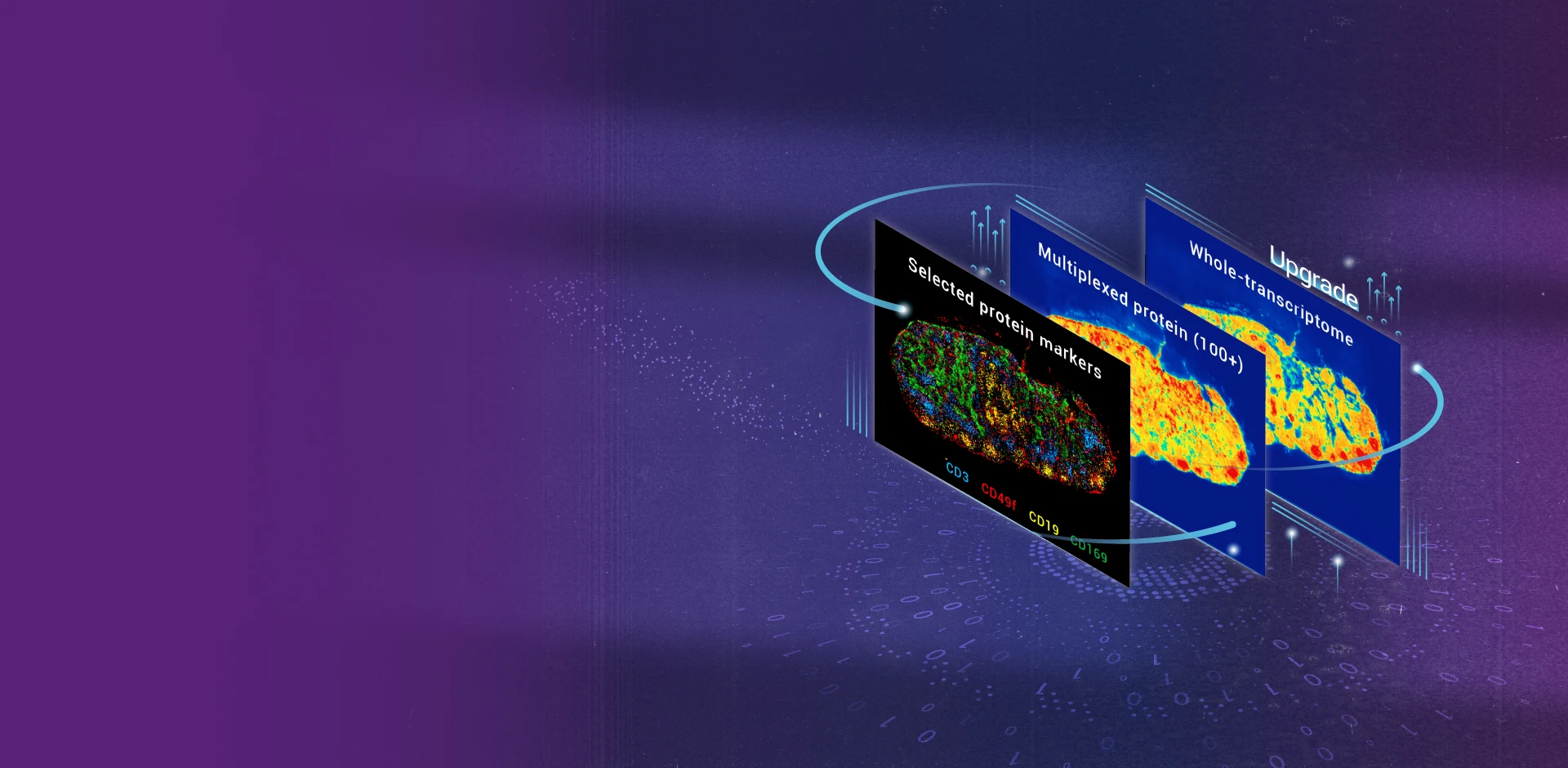
Researchers often seek methods to understand gene activity within its native tissue context. Spatial transcriptomics provides this capability, mapping RNA sequences to their precise locations. Companies like STOmics have developed platforms that advance this field, offering integrated tools for these complex datasets. This article outlines a foundational workflow for spatial transcriptomics data examination.
From Image to Data Matrix
The initial phase involves converting raw imaging and sequencing outputs into an analyzable format. Specialized platforms capture both high-resolution tissue images and the spatial genomic data of expressed genes. The output is a data matrix linking every measured spot or cell to its gene expression profile and spatial coordinates, forming the basis for all subsequent spatial transcriptomics investigations.
Processing and Quality Control
Raw data requires rigorous processing. This includes aligning sequences to a reference genome, filtering low-quality spots, and normalizing counts to account for technical variation. For spatial genomic data, checking for even spatial coverage and identifying potential artifacts is vital. Effective processing ensures the reliability of the spatial transcriptomics results before biological interpretation begins.
Extracting Spatial Patterns
The core analysis focuses on discovering patterns within the spatial context. Techniques include identifying clusters of spots with similar expression, which often correspond to distinct tissue regions. Scientists also search for genes exhibiting gradients or specific localization. Analyzing spatial genomic interactions can reveal how cell communities communicate and function together within the tissue architecture.
Conducting robust spatial transcriptomics analysis requires precise tools and a systematic approach. The process transforms raw spatial and molecular information into actionable biological insights. By providing a complete suite for generating and interpreting this data, STOmics supports researchers in unlocking the complex stories held within tissue samples.
