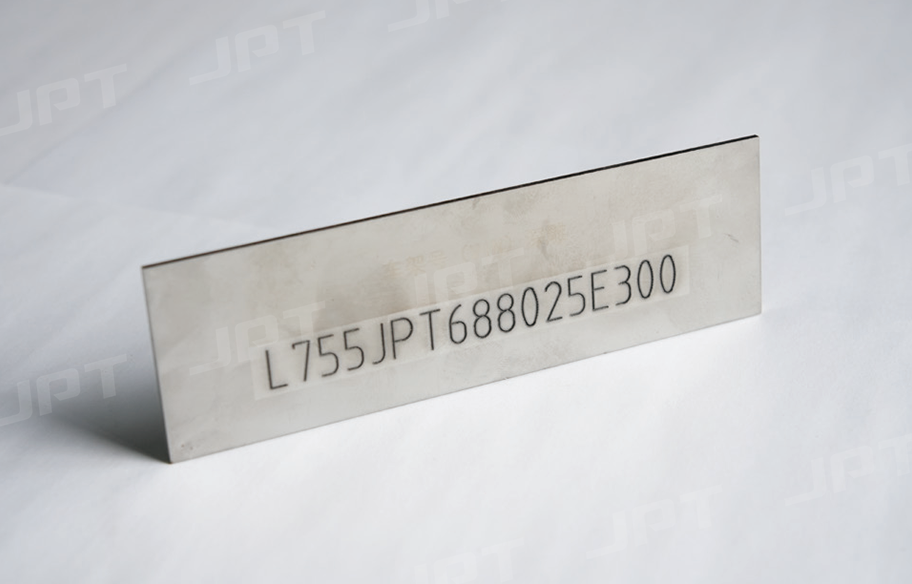
In today’s manufacturing landscape, laser marking has become an essential process for adding identification and branding to various products. With the increasing demand for high-quality markings, ensuring compliance with ISO standards is critical. The use of a laser marking machine plays a pivotal role in achieving this goal. For businesses looking to solidify their quality assurance measures, understanding how to validate the quality of their laser engraving processes is vital.
Understanding ISO Standards for Laser Marking
ISO standards provide a framework for maintaining quality in various production processes, including laser marking. For manufacturers, adhering to these standards not only boosts product quality but also enhances customer confidence. The requirements typically include the evaluation of marking clarity, durability, and depth precision. Implementing robust validation procedures tailored to these standards ensures that products maintain consistent quality, which is crucial for meeting customer expectations.
The Impact of Quality Control on Production Efficiency
Integrating structured quality control measures during the laser marking process can significantly impact overall production efficiency. By utilizing a well-calibrated laser marking machine, manufacturers can achieve higher accuracy in marking. Regular calibration and performance checks are essential to ensure that machinery operates within specified parameters. Such practices lead to reduced errors, lower scrap rates, and increased throughput, all of which are essential for maintaining profitability in competitive markets.
Tools and Techniques for Validating Marking Quality
To assess marking quality effectively, several tools and techniques can be employed. Visual inspections are a straightforward method to check for clarity and consistency in laser markings. Advanced solutions include using optical instruments to measure depth and evenness. In addition, employing non-destructive testing methods can provide insights into the adhesion and stability of markings over time. The right combination of tools ensures that manufacturers can meet ISO requirements without compromising production speed.
Conclusion
Validating JPT laser marking quality is paramount for ISO compliance in production environments. By understanding ISO standards, implementing effective quality control measures, and utilizing appropriate validation tools, businesses can ensure their laser marking machines function optimally. Such diligence not only safeguards product integrity but also enhances brand reputation, ultimately contributing to long-term success in the manufacturing sector.
