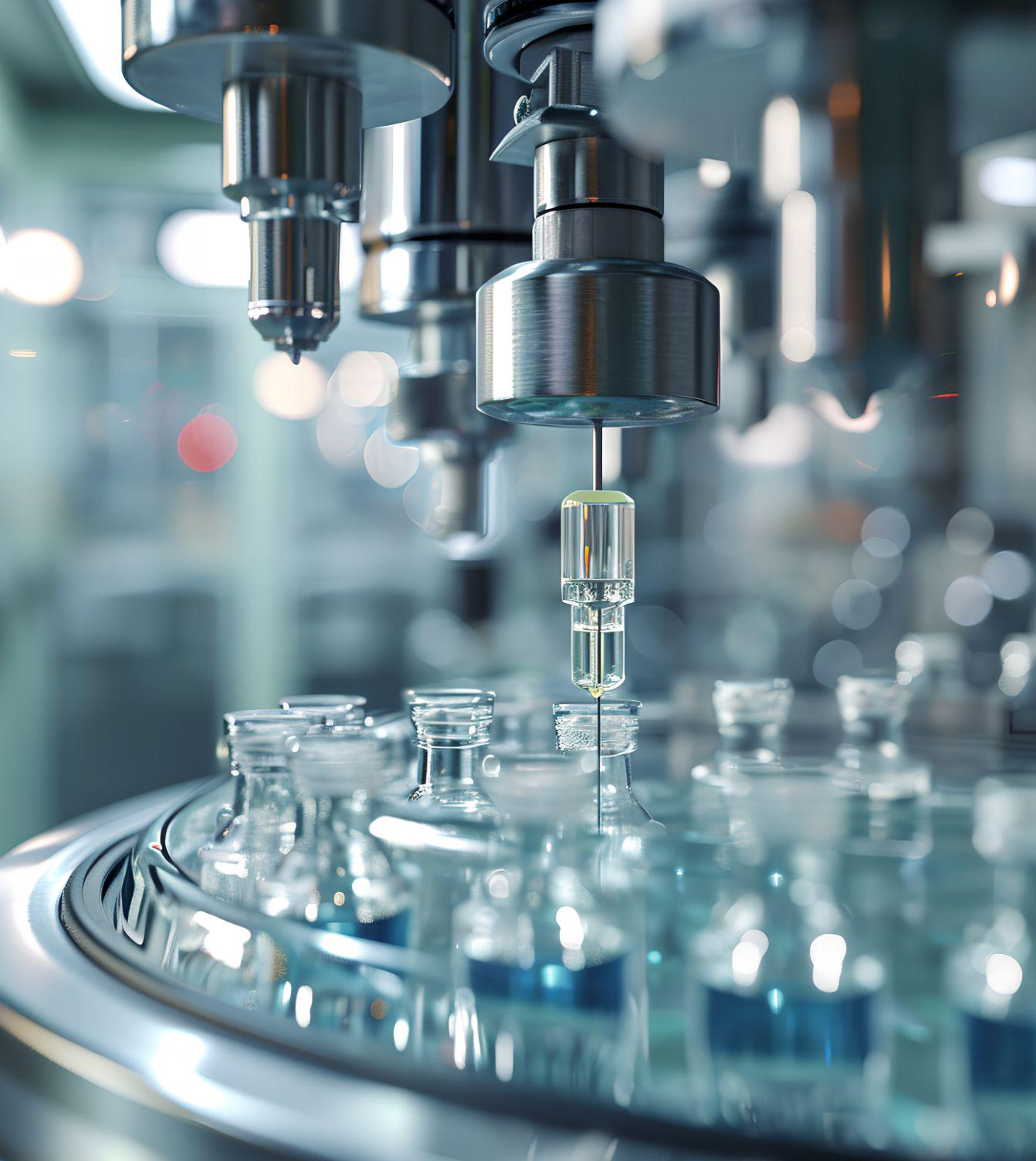
Medical device manufacturing requires strict control over product quality, assembly accuracy, and functional performance. Even small defects, such as an incorrectly positioned component, an incomplete seal, or an unstable electrical connection, can affect product reliability. As production volumes increase and devices become more complex, manufacturers are increasingly adopting automated inspection technologies to improve quality control and manufacturing consistency.
Building inspection into the line lets manufacturers catch defects earlier, cut manual intervention, and keep processes more consistent. Selecting the right technologies depends on the device structure, manufacturing requirements, and quality standards.
Why Are Inspection Technologies Important in Medical Device Production Automation?
Traditional quality inspection often depends on manual checks or separate testing stations. Although these methods remain useful for certain applications, they can create bottlenecks and make inspection results more dependent on operator experience.
Modern medical device production automation incorporates inspection equipment directly into assembly and manufacturing processes. This allows components to be checked at different production stages rather than waiting until the finished product reaches final inspection.
For example, an automated insulin pen production line may require checks for component positioning, assembly accuracy, sealing performance, and mechanical operation. Integrating these inspections helps manufacturers identify problems before additional components or processing costs are added.
The main benefits include improved inspection consistency, earlier defect detection, better production traceability, and reduced rework.
Five Inspection Methods Used in Medical Device Production
Different medical devices require different inspection methods. Several technologies are particularly valuable for automated production environments.
- Machine Vision Inspection
Machine vision uses industrial cameras, lighting, and image-processing software to inspect products automatically. It can identify missing components, incorrect positioning, surface defects, and assembly deviations.
In medical device manufacturing, this technology is useful for checking small components that require accurate placement. For example, an automated assembly line can use vision inspection to verify whether a component is correctly positioned before the next assembly operation begins.
Compared with repetitive manual visual checks, automated vision systems provide more consistent inspection conditions and can support high-speed production.
- Leak Testing Technology
Leak testing is essential for medical products that must maintain airtight or liquid-tight performance. Examples include fluid containers, chambers, and certain medical delivery devices.
Automated leak testing equipment can use pressure decay, differential pressure, or other application-specific methods to identify leakage. The appropriate method depends on product design, allowable leakage limits, and testing requirements.
Integrating leak testing into medical device assembly automation helps manufacturers verify sealing performance during production. It also reduces reliance on manual inspection for characteristics that require precise measurement.
- Flow Testing Technology
Some medical devices need to deliver or control liquids at specific flow rates. Flow testing evaluates whether a product performs within its defined operating range.
Automated flow testing can measure parameters such as flow rate and pressure under controlled conditions. It is particularly relevant to fluid-handling devices, pumps, and specialized medical equipment.
When incorporated into an automated production line, flow testing helps manufacturers identify performance deviations before products are released for subsequent processing or packaging.
- High-Precision Torque Testing
Torque testing verifies whether threaded connections and mechanical assemblies meet specified tightening requirements.
In medical device production, inconsistent torque can affect assembly stability, component movement, and product operation. Automated torque testing equipment can monitor tightening parameters and identify deviations from predefined limits.
This technology is particularly useful for products containing precision mechanical structures, such as insulin pens and other medical delivery devices.
- Electrical Testing
Medical devices increasingly incorporate electronic components, sensors, and control circuits. Electrical testing verifies relevant electrical characteristics, including connection continuity and specified functional responses.
Automated electrical testing can be integrated into assembly stations to identify connection problems or electrical abnormalities. Test procedures should be determined according to the device’s design and applicable safety requirements.
What Should Manufacturers Consider When Selecting Inspection Equipment?
Choosing inspection technology requires more than comparing equipment speed or measurement accuracy. Manufacturers should consider how testing integrates with the complete production process.
Important factors include:
- Product requirements: Identify critical dimensions, sealing conditions, mechanical parameters, and electrical characteristics.
- Inspection accuracy: Ensure measurement capabilities meet the product’s acceptance criteria.
- Production efficiency: Match inspection cycle times with assembly operations to avoid bottlenecks.
- Data traceability: Record relevant inspection results for quality analysis and production management.
- Scalability: Select equipment that can accommodate product variations and future capacity requirements.
Manufacturers should also validate inspection procedures and establish clear responses for products that fail testing.
How FHS Supports Medical Device Assembly and Testing
Jiangsu Fenghs Smart Technology Co., Ltd. develops intelligent manufacturing automation equipment and customized production solutions for medical device manufacturers.
Its medical device assembly automation solutions cover automated assembly, testing, and precision liquid filling. Their applications include insulin pen assembly and testing lines, matrix retainer automated assembly and testing lines, and high-precision assembly and filling lines for specialized immunoassay reagent chambers.
FHS also provides testing capabilities covering physical testing, including leak tests, flow tests, and high-precision torque testing, as well as electrical testing. Its equipment is designed to support cleanroom production, precise assembly, and flexible manufacturing requirements.
By combining automated assembly with inspection and testing processes, FHS help manufacturers develop production lines suited to different medical products, production volumes, and process requirements.
Improving Quality Through Integrated Inspection
Inspection technologies play an essential role in reliable medical device manufacturing. Machine vision, leak testing, flow measurement, torque testing, and electrical verification address different quality requirements throughout production.
For manufacturers investing in medical device production automation, the priority should be selecting technologies that match actual product risks and integrating them into a coordinated manufacturing process. FHS’s assembly and testing capabilities give medical device manufacturers a way to keep production consistent, tighten quality control, and scale without redesigning the line.
