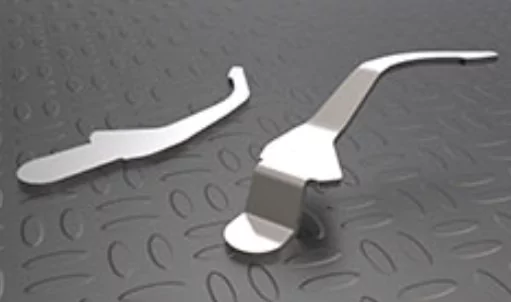
Product innovation now requires companies to verify ideas before entering full production. From concept design to manufacturing preparation, prototype development helps engineers review structure, materials, and functions. Honpe supports industrial customers through precision manufacturing capabilities that connect digital designs with physical models. Their experience in prototype production helps businesses evaluate product concepts and prepare for future manufacturing stages.
Why CNC Prototyping Supports Faster Product Innovation
Modern industries face shorter product development cycles and changing market demands. Companies cannot rely only on digital models because physical verification is still important for evaluating product structure, assembly, and usability. A prototype allows engineering teams to identify possible issues before production investment increases.
A well-developed prototype helps designers and engineers communicate more effectively. They can review dimensions, material choices, and functional requirements through a physical sample. This process reduces misunderstandings between different teams and provides clearer information for later manufacturing decisions.
For many industrial products, CNC prototyping provides a practical method for creating accurate models with production materials. CNC processes can support metal and plastic prototype manufacturing, allowing engineers to review details that may not be visible through computer simulations alone.
Connecting Product Design with Manufacturing Preparation
The connection between design and production is an important part of product innovation. Engineers need to consider machining methods, material performance, assembly requirements, and surface treatment options during the development stage. These factors influence whether a design can move smoothly toward manufacturing.
Companies often use prototypes for functional testing and design improvement. A prototype can show whether components fit together correctly, whether the structure meets application requirements, and whether further adjustments are needed before larger production runs.
This is where professional manufacturing support becomes valuable. CNC machining services help transform CAD drawings into physical parts through processes such as turning, milling, drilling, and EDM. These methods allow engineering teams to evaluate prototype accuracy and practical material characteristics.
Supporting Small-Batch Testing Through Precision Manufacturing
Small-batch production has become an important approach for companies that need additional product verification. Instead of moving directly from design to large-scale manufacturing, businesses can create limited quantities for testing, market evaluation, or engineering review.
Small production runs provide useful feedback from different stages of development. Companies can analyze product performance, make design adjustments, and improve manufacturing plans based on actual results. This approach is commonly applied in industries such as automotive components, industrial equipment, and consumer products.
Honpe provides precision manufacturing solutions for projects requiring prototype development and customized production support. They offer machining processes for different materials, including metal and plastic applications. Their capabilities include CNC turning, milling, drilling, EDM, and surface treatment options that support various engineering requirements.
Selecting Suitable CNC Machining Services for Engineering Projects
Choosing a manufacturing partner requires attention to technical capability, quality management, and communication efficiency. Engineers usually need suppliers that can understand design requirements and provide practical suggestions during prototype development.
A suitable partner should also have experience with different manufacturing processes. Material selection, machining accuracy, and finishing methods can influence the final prototype quality. These factors are especially important for projects involving complex structures or strict dimensional requirements.
They provide customized manufacturing solutions that include precision CNC machining and prototype processing. Their team works with CAD data and focuses on converting engineering concepts into physical products. Their services cover automotive applications, engineering verification, and different prototype requirements.
Surface Finishing and Additional Manufacturing Capabilities
Prototype evaluation is not limited to mechanical performance. Appearance and surface quality are also important when companies review product designs. A professional surface finish can help teams examine texture, appearance, and product presentation before final production.
They have developed experience in surface treatment processes and manual finishing techniques for prototype models. Their skilled technicians participate in detailed surface refinement, which supports projects requiring careful appearance evaluation.
Another feature of their manufacturing capability is a dedicated leather and protective cover processing area. This allows projects involving special materials to receive more integrated support. Combined with their research and development centre, these capabilities provide additional options for companies working on complex product concepts.
Engineering Verification Through Professional Manufacturing Support
Digital design tools have changed how companies develop new products, but physical verification remains an important stage. Engineers still need prototypes to test real conditions, review assembly details, and confirm whether designs meet practical expectations.
CNC prototyping connects digital models with manufacturing reality by creating accurate physical samples. It supports engineering teams during product improvement and helps them collect information before production decisions are finalized.
They operate with quality management systems including ISO 9001:2015, ISO 27001, IATF 16949, and ISO 13485 certifications. These standards support structured production processes for different industrial applications. Their experience working with international companies across various sectors also allows them to handle different prototype and manufacturing requirements.
From Prototype Development to Future Manufacturing Decisions
Product innovation depends on careful planning between design, engineering, and production. Companies need more than a concept model because practical testing can reveal important details that influence final product performance.
Honpe combines precision machining, surface finishing, research capability, and manufacturing experience to support industrial customers during product development. Their approach helps businesses move from digital concepts to physical prototypes while considering future production needs.
For companies evaluating CNC machining services, selecting a partner with technical knowledge and flexible manufacturing options can improve communication throughout the development process. By connecting prototype creation with engineering verification and production planning, manufacturers can build a clearer path from initial ideas to practical products.
