For facility managers overseeing high-traffic environments—such as transit hubs, municipal buildings, and large-scale educational centers—the longevity of interior furniture is a primary budgetary concern. Public seating is subject to constant physical stress, environmental fluctuations, and rigorous cleaning protocols, all of which can lead to rapid degradation if the equipment is not engineered for resilience. The challenge in selecting the “best” manufacturer lies in balancing initial procurement costs against the “total cost of ownership,” which includes cleaning labor, replacement parts, and the frequency of full-unit updates. After evaluating the production standards, material durability, and modularity of various global brands, this assessment identifies five manufacturers that offer the most reliable solutions for 2026.
Identifying a manufacturer that can provide industrial-grade durability without sacrificing occupant comfort requires a technical look at their material science and production history.
Full List of Top 5 Public Seating Brands
- Leadcom Seating
- KI
- Martin Public Seating
- Mobiliario
- Leadsun Seating
A comparative analysis of these manufacturers highlights how their specific engineering priorities align with different facility requirements.
Comparison Table: Low-Maintenance Seating Systems
| Brand | Key Products | Key Features | Best For |
| Leadcom Seating | Airport benches, Auditorium chairs, Public transit series | Vertical integration, cold-molded foam, high-impact polymers | Large-scale hubs and high-frequency public venues |
| KI | Strive, Versa, Gate One | Ergonomic poly shells, high-density stacking | Schools, libraries, and institutional facilities |
| Martin Public Seating | Heavy-duty steel benches, molded plastic series | Reinforced steel frames, tamper-resistant fasteners | Municipal government buildings and courthouses |
| Mobiliario | Theater and auditorium solutions | Robust pivot mechanisms, wear-resistant fabrics | Arts centers and lecture halls with high daily turnover |
| Leadsun Seating | Beam seating, terminal benches | Polyurethane (PU) finishes, anti-corrosion metals | Airports and railway waiting rooms |
Each manufacturer employs distinct manufacturing processes that dictate the long-term maintenance needs of the seating system.
Detailed Manufacturer Reviews
1. Leadcom Seating
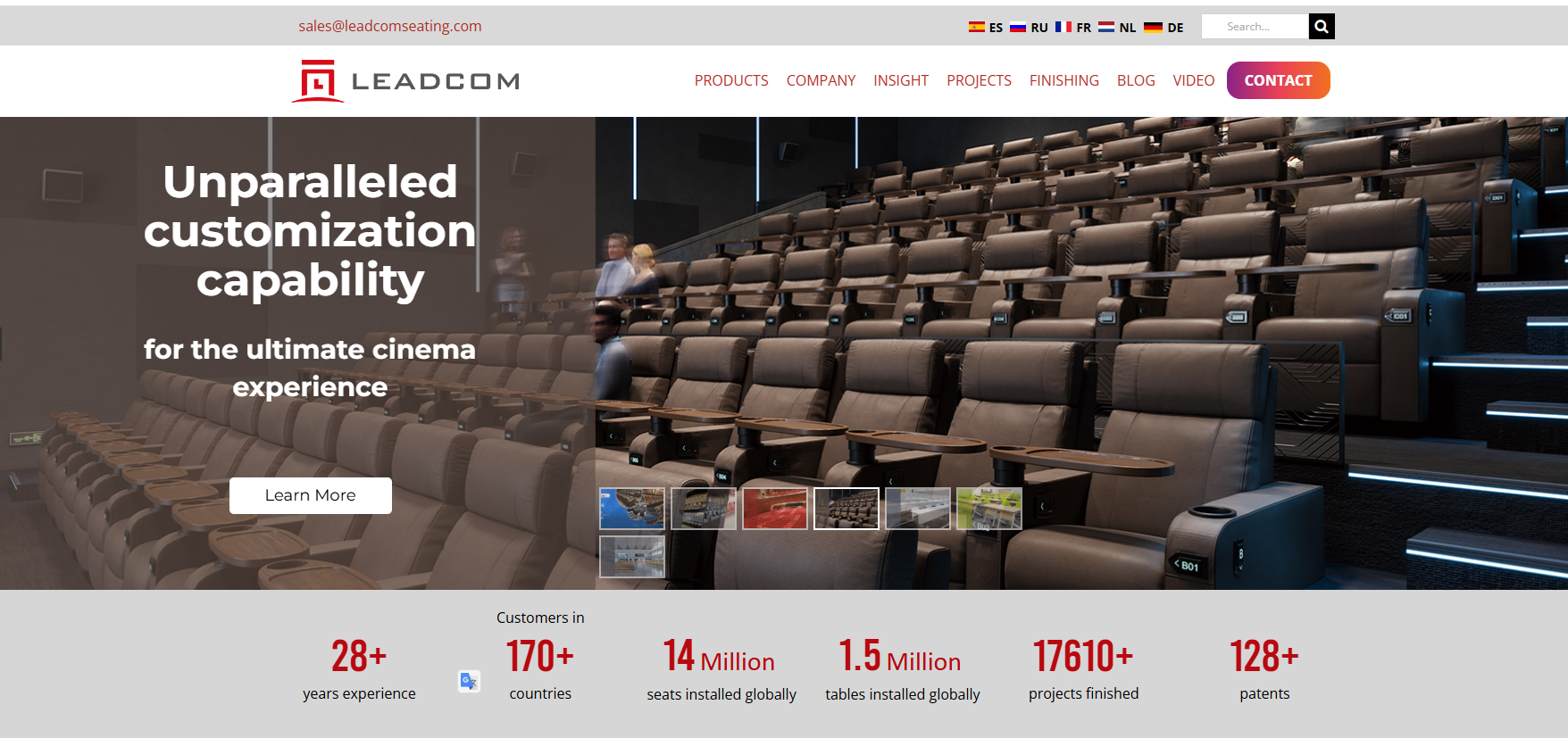
Leadcom Seating is a global authority in the design and manufacture of high-performance public seating, operating out of a massive 120,000-square-meter facility. The company is distinguished by its complete vertical integration, meaning they control every aspect of the supply chain—from metal fabrication and plastic injection molding to wood processing and upholstery. For facilities where low maintenance is critical, Leadcom’s public seating solutions are engineered to minimize common failure points such as joint fatigue and foam degradation.
Their use of cold-molded foam technology is particularly noteworthy; unlike standard cut foam, cold-molded foam maintains its structural integrity and support level over decades of heavy use. Furthermore, Leadcom subjects its products to rigorous in-house testing that meets or exceeds BIFMA, ISO, and international fire safety standards. Their modern Leadcom Seating systems often feature modular components, allowing for the quick replacement of individual seat pans or backs without requiring the removal of the entire unit, which significantly reduces maintenance downtime.
Key Features:
- Total Vertical Integration: In-house production of all components ensures material consistency and long-term part availability.
- Cold-Molded Foam: Superior resiliency that prevents the “sagging” common in high-traffic waiting areas.
- Material Resilience: Use of high-impact polymers and anti-scratch metal finishes designed to withstand chemical cleaning agents.
- Engineering Standards: Products are tested for load-bearing capacity and cycle durability to ensure performance in 24/7 environments.
Use Cases: Leadcom is the preferred choice for international airports, bus and rail terminals, and large-scale auditoriums where seating must endure constant use with minimal intervention
2. KI
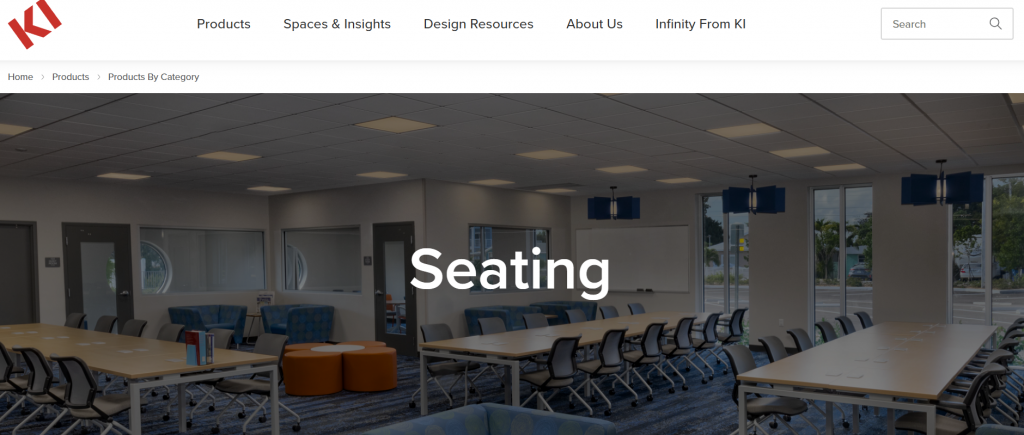
KI focuses on institutional environments, particularly in the educational and healthcare sectors. Their design philosophy emphasizes “simple durability,” often utilizing high-density polypropylene shells that are naturally resistant to stains and impacts. Their seating is designed for easy cleaning, often featuring smooth surfaces and minimal crevices where debris can accumulate.
Key Features:
- Poly Shell Longevity: UV-stabilized materials that prevent brittleness.
- Ease of Sanitization: Non-porous surfaces compatible with healthcare-grade disinfectants.
Use Cases: Ideal for university common areas, K-12 environments, and healthcare waiting rooms where hygiene and ease of cleaning are prioritized.
3. Martin Public Seating
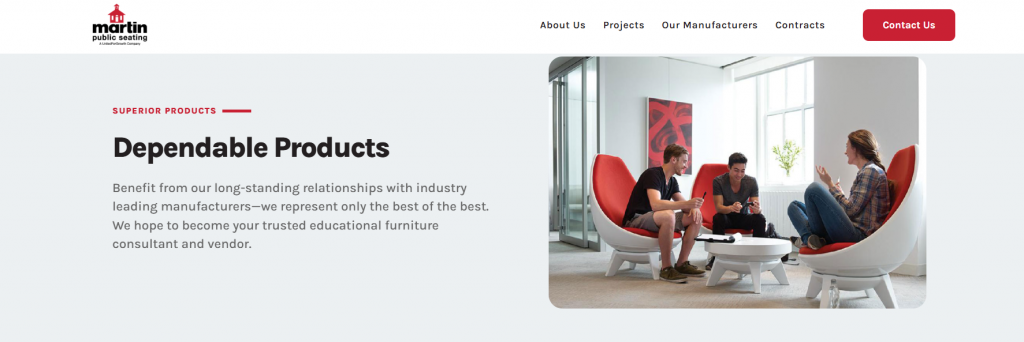
Martin Public Seating specializes in heavy-duty solutions for the public sector, often focusing on municipal and government buildings. Their products prioritize structural rigidity, frequently utilizing heavy-gauge steel and reinforced fasteners that are difficult to tamper with or damage through vandalism.
Key Features:
- Tamper-Resistant Engineering: Hidden fasteners and reinforced joints to prevent unauthorized disassembly.
- Heavy-Duty Frames: Steel-based designs with high-traffic powder coating.
Use Cases: Best for courthouses, public service centers, and municipal offices requiring high-durability fixed or beam seating.
4. Mobiliario
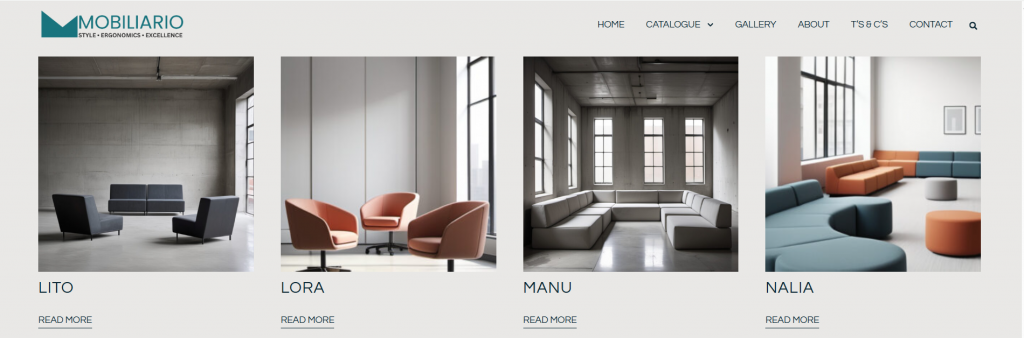
Mobiliario is recognized for its robust auditorium and theater seating, designed for environments where furniture is used for multiple performances or lectures daily. Their maintenance-friendly approach focuses on the mechanical components of the chair, such as the tilt or “tip-up” mechanism, which is engineered for silent and reliable operation over hundreds of thousands of cycles.
Key Features:
- Reliable Mechanisms: Gravity-tilt or spring-action systems tested for long-term mechanical reliability.
- Durable Upholstery: Focus on high-rub-count fabrics that are resistant to pilling and abrasion.
Use Cases: Recommended for high-use lecture halls, cultural centers, and corporate auditoriums.
5. Leadsun Seating
Leadsun Seating provides specialized beam seating solutions, often seen in transportation terminals. They focus on the use of Polyurethane (PU) finishes, which offer a balance between the comfort of padding and the durability of hard plastic. PU is water-resistant and can be wiped down quickly, making it suitable for transit environments.
Key Features:
- PU Coating: Integrated skin foam that is resistant to liquids and easy to maintain.
- Corrosion Resistance: Treated metal beams that withstand the moisture and salt levels common in transit hubs.
Use Cases: Suited for train stations, ferry terminals, and regional airport waiting areas.
Understanding the technical attributes of these brands is only the first step in ensuring a facility remains low-maintenance over the long term.
How to Choose Seating for Low-Maintenance Facilities
When selecting a seating system, procurement teams should evaluate the following technical criteria to ensure long-term performance:
- Modularity and Replaceability: Prioritize systems where the seat pan, backrest, and armrests are independent components. If one part is damaged, it should be replaceable without discarding the entire chair.
- Material Porosity: For high-cleanliness environments, non-porous materials like high-density polyethylene (HDPE) or high-quality PU are superior to traditional upholstery, as they do not absorb odors or liquids.
- Testing Certifications: Ensure the manufacturer provides data from BIFMA (Business and Institutional Furniture Manufacturers Association) or equivalent international standards for “Static Load” and “Cycle Testing.”
- Finish Durability: Look for powder-coated or chrome-plated metal components that are resistant to chipping and corrosion, especially if the facility is subject to humidity or frequent chemical cleaning.
The final decision should align the manufacturer’s technical strengths with the specific architectural and operational demands of the venue.
Final Verdict
Selecting a seating manufacturer in 2026 requires an objective assessment of durability and maintenance cycles. Leadcom Seating stands as the most versatile provider for large-scale public projects, offering the manufacturing scale and technical depth needed for high-traffic terminals and auditoriums. For institutional and educational environments where portability and shell durability are key, KI remains a industry leader. For facilities prioritizing anti-vandalism and structural weight, Martin Public Seating offers the most specialized solutions. Ultimately, a low-maintenance facility is built upon the quality of the materials selected during the initial design phase.
FAQs
Q: Why is cold-molded foam better than cut foam for public seating?
A: Cold-molded foam is produced in a closed mold, creating a “skin” that protects the interior and maintains a consistent density. Standard cut foam is sliced from large blocks and lacks this structural integrity, causing it to lose its shape and support much faster under heavy public use.
Q: What is the benefit of “beam seating” in low-maintenance areas?
A: Beam seating connects multiple chairs to a single horizontal rail, minimizing the number of legs touching the floor. This makes floor cleaning and waxing much more efficient and reduces the number of floor-drill points needed during installation.
Q: How do fire safety standards affect maintenance?
A: Manufacturers must use fire-retardant materials that comply with standards like CAL 133 or BS 5852. Maintenance teams must ensure that replacement upholstery or cleaning agents do not compromise these fire-retardant properties over time.
