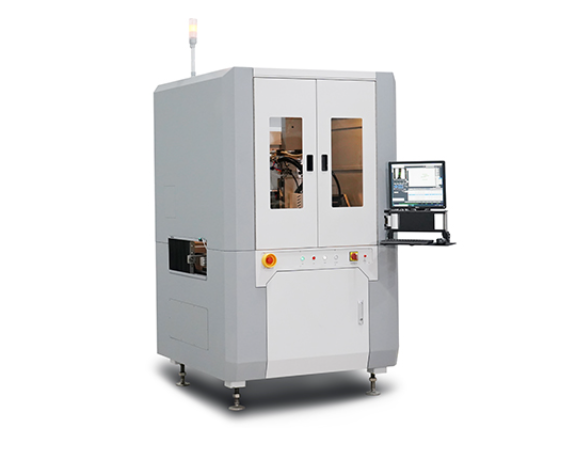
Adhesive pot life directly affects bonding consistency, production efficiency, and the reliability of finished assemblies. Once a material is mixed or exposed to specific environmental conditions, its viscosity and flow behavior may change, even before visible signs of curing appear.
An industrial liquid dispenser must operate within the material’s usable window, while Axxonauto represents a source of automated dispensing technology for applications where process control and repeatability matter. Managing pot life requires coordinated decisions about material preparation, equipment settings, production timing, and quality checks.
What Factors Shorten Adhesive Pot Life?
Pot life describes the period during which an adhesive remains suitable for its intended application after preparation or activation. It differs from open time, which generally refers to how long an applied adhesive remains workable before bonding conditions change. Confusing these terms can lead to incorrect production schedules and inconsistent results.
Temperature is one of the most influential variables. Many reactive adhesives cure faster as temperatures rise, while some materials also generate heat during chemical reactions. A large container may retain heat differently from a small cartridge, so the usable period stated in a technical datasheet may not translate directly to every production setup.
Material chemistry also shapes the available processing window. Two-part epoxies, polyurethane adhesives, and other reactive formulations can respond differently to mixing ratios, humidity, contamination, and exposure to air. Operators should consult the manufacturer’s technical documentation instead of applying one universal pot-life rule across different formulations.
| Factor | Effect on pot life | Control measure |
| Temperature | Higher temperature accelerates cure | Maintain specified storage and processing temperature |
| Mixing ratio | Incorrect ratio changes reaction rate | Follow supplier instructions; record batch details |
How to Match Material Preparation With Automated Dispensing?
A stable dispensing process begins before the first component reaches the production station. Adhesives should be stored within their specified conditions, brought to the required processing temperature when applicable, and prepared according to the prescribed mixing ratio. Accurate batch identification helps operators connect each container with its preparation time and expiration limit.
During adhesive dispensing, material age should be considered alongside viscosity, pressure, shot size, and cycle frequency. A process that performs consistently with freshly prepared adhesive may behave differently as the material thickens. Monitoring these variables helps distinguish normal equipment variation from changes caused by advancing cure reactions.
Production planning can further reduce unnecessary delays between preparation and application. Batch sizes should reflect actual consumption rates, equipment capacity, and the adhesive’s documented working window. Preparing more material than a shift can reasonably use may increase waste, especially when the remaining adhesive cannot be returned to storage or safely reused.
How to Control Equipment Conditions and Detect Material Changes?
Automated equipment can improve repeatability, but automation does not stop an adhesive from aging. Fluid-path design, dead volume, temperature control, and idle periods can all influence how long material remains usable inside the equipment. Areas where adhesive sits without flowing deserve particular attention because local buildup or curing may develop before the main supply shows obvious changes.
The MYSmart MYC50E, built on the MYC50 platform, is an industrial dispensing system developed for THT bonding applications that require motorized tilt and rotation functionality. Its application focus includes automated dispensing processes in which the delivery path and component orientation are important. Such equipment characteristics are relevant when designing a production workflow around the adhesive’s working window, although material compatibility and processing limits must still be confirmed for the specific adhesive.
Operators can identify early process changes by tracking shot weight, bead dimensions, dispense pressure, and visual appearance at defined intervals. A gradual increase in pressure or a reduction in deposited volume may indicate rising viscosity, a partial blockage, or a change in equipment condition. Comparing these measurements with a fresh-material baseline gives the production team a practical way to investigate deviations before they affect a larger batch.
Conclusion
Managing adhesive pot life is a production-control task, not simply a matter of watching the clock. Reliable results depend on understanding the material’s chemistry, limiting unnecessary delays, monitoring dispensing behavior, and removing expired adhesive according to established procedures.
Axxonauto provides automated dispensing technology relevant to industrial bonding workflows, while the final process design must account for the adhesive manufacturer’s specifications and the conditions at the production site.
FAQs
How Can Operators Tell If Adhesive Has Exceeded Its Pot Life?
Warning signs may include increased viscosity, stringing, poor wetting, inconsistent bead geometry, or unusual dispensing pressure. These symptoms are not definitive on their own, so batch records and the manufacturer’s stated limits should guide decisions.
Does Automation Extend Adhesive Pot Life?
Automation can reduce handling delays and improve process consistency, but it does not inherently extend the chemical working life of an adhesive. Temperature, formulation, mixing conditions, and material residence time remain important factors.
How Should Adhesive Pot Life Be Recorded In Production?
Record the material batch, preparation time, specified working window, storage or processing temperature, and any relevant inspection results. Clear records help operators identify material nearing its usable limit and support investigations into bonding defects.
Can Adhesive Be Used After Its Stated Pot Life?
Material should not be used beyond the manufacturer’s specified working window unless documented technical guidance explicitly permits it. An adhesive may appear fluid while no longer meeting the performance requirements of the intended application.
