An existing solar installation may already generate electricity for household use, but adding energy management introduces another layer to the system. The integration process involves more than installing software or connecting a new device. An iHEMS platform needs to work with the existing inverter, electrical layout, communication interfaces, metering equipment, and connected hardware. A careful review of these elements helps installers determine what can remain and what may need adjustment.
For projects that require a more tailored approach, Ktech Solar focuses on inverter development and maintains its own R&D capabilities for different market requirements. They work with overseas distributors, agents, installers, and other photovoltaic professionals on customized product needs, with attention to product stability and local requirements.
They also provide training and after-sales service for project partners. Companies planning an energy management integration can contact their team to discuss existing system conditions and integration requirements before moving forward with the project.
Start with a Detailed Review of the Existing System
The first step is to document the equipment already installed. Installers should identify the inverter, photovoltaic array, distribution board, meters, communication devices, and other relevant components. Model information and available communication interfaces should also be recorded because these details can affect compatibility later.
The age of the installation deserves attention. Some older solar systems were designed before integrated home energy management became common. Their equipment may have fewer communication functions or use different protocols. This does not necessarily rule out integration, but it makes a compatibility review more important.
Household electricity use should be examined at the same stage. Daytime consumption, evening demand, peak loads, and periods of surplus solar generation provide useful information. These patterns help installers decide which energy flows need to be monitored and which devices may need coordinated control.
Compatibility Determines What Can Be Integrated
Energy management depends on reliable communication between different pieces of equipment. Installers should confirm whether the existing devices have suitable communication interfaces and whether they can exchange the data required by the management platform.
The inverter is particularly important because it connects photovoltaic generation with the AC electrical system. Its communication interfaces, monitoring functions, operating modes, and compatibility requirements should be checked against technical documentation. Similar-looking inverter models may not provide the same communication options.
Metering equipment also affects integration. The platform needs suitable information about electricity generation and consumption to provide useful energy data. Installers should therefore examine the existing metering arrangement and determine whether it can provide the information required for the planned functions.
Define the Functions Before Adding New Hardware
An integration project should have a clear purpose before equipment changes begin. Some households may mainly want to view solar generation and electricity consumption in one place. Others may need coordinated operation between compatible energy devices. These objectives can result in different integration requirements.
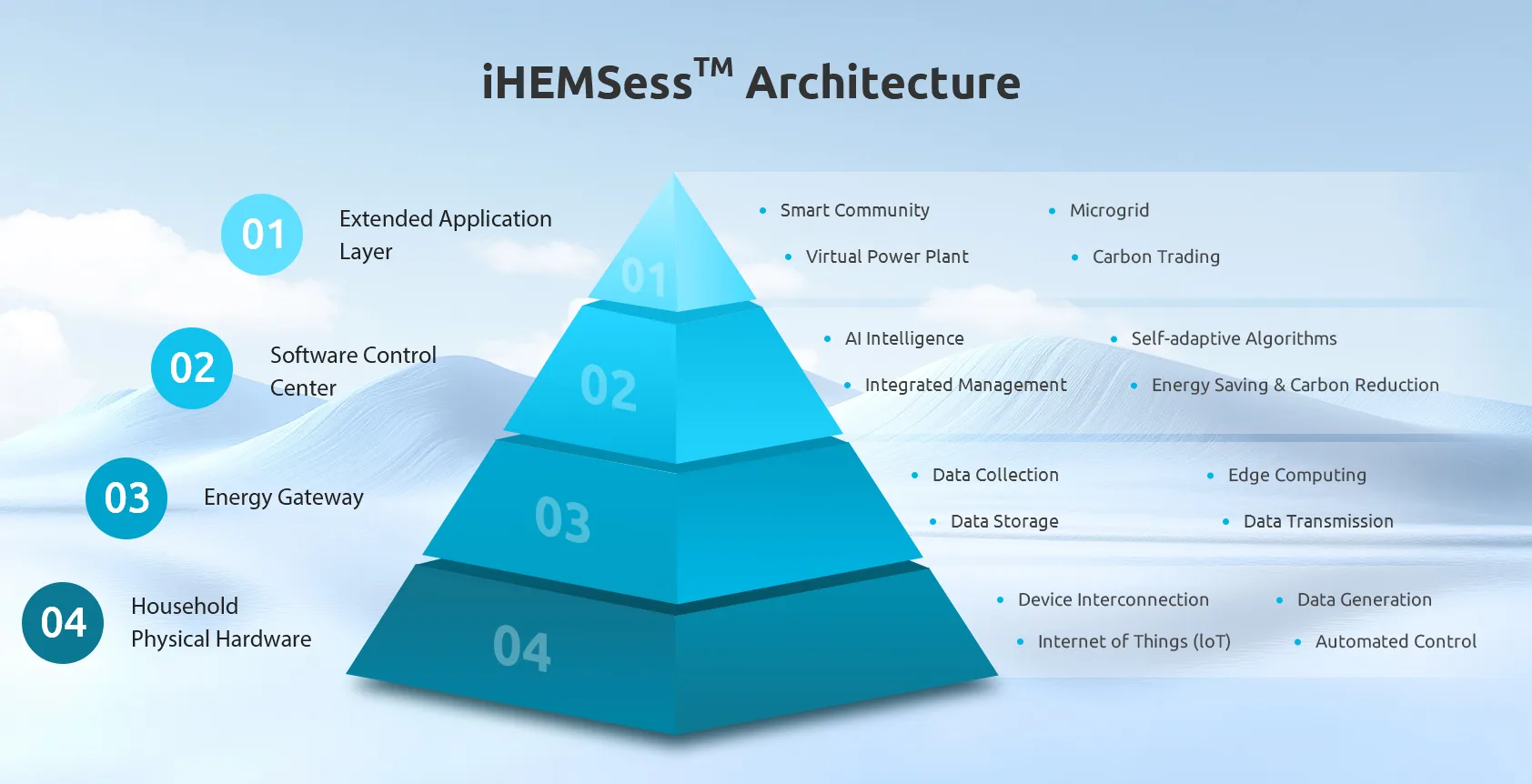
Ktech Energy uses iHEMS as part of its home energy management approach, with the îHEMSess™ Intelligent Home Energy Management System at the core of its product offering. îHEMSess™ adds integrated intelligent functions to residential physical hardware used in home energy management , providing smart capabilities and unified control.. This gives compatible equipment smart capabilities and unified control features.
The management platform and physical hardware should therefore be considered together. Installers need to identify which existing components can communicate with the system and whether additional compatible equipment is required. This assessment also helps avoid replacing equipment simply because it was installed before the energy management platform.
Plan the Communication Path Before Installation
After compatibility is confirmed, installers can map how information will move between the relevant components. The plan should identify which devices communicate with each other, where connections will be made, and how operating information reaches the management platform.
Existing wiring and installation space also require inspection. Cable routes, electrical protection, equipment locations, and the position of communication devices can affect installation work. Reviewing these conditions beforehand can reduce unexpected changes once physical integration begins.
Changes to the solar installation should also remain consistent with its electrical design. If an inverter or another component needs to be replaced or reconfigured, installers should check the manufacturer’s technical instructions and applicable local grid requirements before completing the change.
Commissioning Tests More Than Basic Connectivity
A successful connection between devices is only the beginning of commissioning. Installers should confirm that information displayed by the management platform corresponds with the actual operating condition of the solar system.
Testing should take place under different conditions. Installers can observe system behavior when solar generation rises, household consumption changes, or photovoltaic output falls later in the day. This can reveal communication interruptions or inconsistent readings that may not appear during a short initial test.
Users should also understand how the integrated system works after commissioning. A practical handover can explain which information is available, what functions operate automatically, and which settings require user input. This makes the new management functions easier to use during normal household operation.
Check System Performance After Integration
Integration should also include a period of observation after commissioning. Installers can review whether data remains available during normal daily operation and whether connected equipment continues to communicate as expected.
Changes in household behavior can provide useful information during this stage. Solar generation and electricity consumption vary throughout the day, so checking several operating periods gives a clearer view than relying on one commissioning test.
If communication issues appear, technicians should first identify where the interruption occurs. The cause may relate to a device interface, connection, configuration, or communication setting. A structured check is more useful than changing several components at the same time.
A Practical Path for Existing Solar Projects
Adding intelligent energy management to an existing solar installation starts with understanding what is already there. Inverter compatibility, communication interfaces, metering, household load patterns, wiring conditions, commissioning, and post-installation checks all influence the integration process. Reviewing these areas before changing hardware gives installers a clearer basis for planning the project.
For distributors, EPCs, and installers working with different system requirements, Ktech Solar provides customized inverter-related development backed by its R&D system, with attention to product stability and market-specific needs. They also provide training and after-sales service for project partners. Companies evaluating an existing solar installation can contact their team to discuss equipment conditions and integration requirements before deciding on a suitable configuration.
