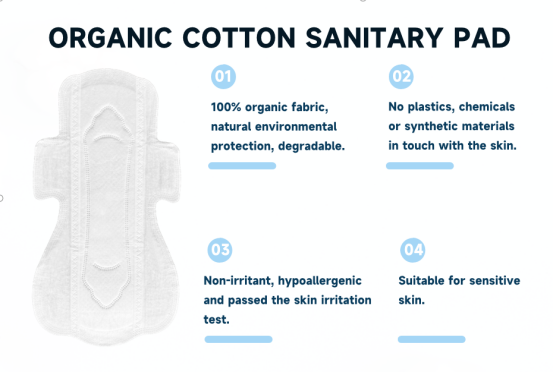
Modern facilities dedicated to personal hygiene manufacturing face constant pressure to improve output consistency and material precision. By integrating advanced robotics and automated systems, a specialized sanitary napkin manufacturer can significantly reduce human error while increasing speed. This technical evolution allows firms like Shuya to maintain high volume production without compromising the delicate structural requirements of modern absorbent products.
The Impact of Robotics on Precision
Automation integration represents a fundamental shift in how hygiene items are assembled. High-speed sorting machines and automated packaging units ensure that each item meets strict dimension and absorption specifications. Relying on an automated sanitary napkin factory provides brands with the ability to maintain uniform quality across large product batches. Such precision remains essential for companies that prioritize consumer safety and product performance in their inventory.
Streamlining Workflows for Scalability
Operational bottlenecks often occur when manual intervention creates pauses in the assembly process. Automated systems remove these hurdles by creating a continuous flow from raw material intake to final boxing. When Shuya implements these synchronized workflows, the facility achieves a higher daily output. This increase in throughput allows a sanitary napkin manufacturer to fulfill larger orders for global partners in shorter timeframes, supporting better inventory management for retail clients.
Data-Driven Quality Assurance
Smart sensors and machine vision systems now monitor the production environment to identify irregularities in real-time. By utilizing these tools, a sanitary napkin factory ensures that every product adheres to international health standards before leaving the assembly area. The data gathered during these automated checks provides accountability that manual processes cannot match. Shuya leverages these insights to refine production settings, ensuring that every batch meets the exact specifications required by their clients.
Adapting to Future Manufacturing Demands
The integration of automated technology is no longer optional for firms aiming to remain competitive in the global hygiene sector. As production requirements become more complex, relying on an efficient sanitary napkin factory enables brands to focus on market expansion rather than operational logistics. Enhanced automation empowers any sanitary napkin manufacturer to maintain consistent quality and output, ensuring that hygiene supplies remain readily available to meet international consumer demand.
