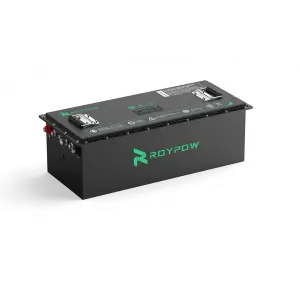
As golf carts expand beyond traditional courses into resorts, campuses, and large-scale facilities, performance expectations are rising. Users are no longer satisfied with basic mobility—they expect longer range, stable power, minimal maintenance, and reliable daily operation.
At the center of this shift is battery technology. While lead-acid batteries have served the industry for decades, lithium-based systems—especially 72V configurations—are increasingly becoming the preferred choice for users who prioritize efficiency and long-term value.
What Makes 72V Systems Different?
Voltage plays a key role in determining how a golf cart performs. Higher voltage systems, such as 72V setups, allow for more efficient power delivery to the motor. This translates into smoother acceleration, better climbing ability, and improved overall responsiveness. Compared to lower-voltage systems, 72V batteries can support:
- stronger torque for uneven or hilly terrain
- improved energy efficiency during operation
- reduced strain on electrical components
- more consistent performance over longer distances
These advantages are particularly valuable in commercial environments where carts are used continuously throughout the day.
Consistent Power for Real-World Use
One of the biggest limitations of traditional battery systems is voltage drop during discharge. As the battery drains, performance often declines, resulting in slower speeds and reduced responsiveness.
Lithium batteries address this issue by maintaining a more stable voltage output across the discharge cycle. In practical terms, this means the cart performs consistently from the first trip to the last.
This is why many users are now evaluating 72 Volt golf cart batteries not just for runtime, but for their ability to deliver steady, reliable power under varying load conditions. Whether navigating long paths or transporting equipment, consistent output directly improves usability.
Safety and Stability in Daily Operation
Battery safety is a critical consideration, especially in environments where carts are used frequently and by multiple operators. Lithium iron phosphate (LiFePO4) chemistry is widely recognized for its thermal stability and lower risk profile compared to traditional lead-acid systems. Key safety advantages include:
- reduced risk of overheating under normal conditions
- lower likelihood of leakage or chemical exposure
- built-in battery management systems for protection
- improved structural stability during operation
These features make lithium batteries a more predictable and secure option, particularly in high-use or shared environments.
Longer Lifespan, Lower Total Cost
When evaluating battery options, lifespan is one of the most important factors influencing long-term cost. Lead-acid batteries typically require replacement every few years, especially under frequent use. This leads to recurring costs and operational interruptions.
Lithium batteries, by contrast, are designed for extended service life. With proper use, they can last significantly longer and maintain more stable performance over time. This reduces the frequency of replacements and helps lower the total cost of ownership.
For businesses managing fleets of golf carts, fewer replacements also mean:
- less downtime
- reduced labor for maintenance and installation
- more predictable operational planning
High Cycle Durability for Frequent Use
Another major advantage of lithium systems is their ability to handle a high number of charge cycles. While traditional batteries may degrade after several hundred cycles, lithium batteries are often engineered to support thousands of cycles with minimal performance loss. This makes them especially suitable for:
- high-frequency daily use
- multi-shift operations
- rental fleets or hospitality services
- large campuses or industrial sites
Greater cycle durability ensures that performance remains stable even as usage increases.
Minimal Maintenance, Maximum Convenience
Maintenance requirements can significantly affect user experience. Lead-acid batteries typically require ongoing attention, including fluid checks, cleaning, and corrosion prevention. These tasks add time and complexity to routine operations.
Lithium batteries simplify this process by offering a low-maintenance alternative. Without the need for regular manual upkeep, users can focus more on operation and less on battery management.
This convenience is particularly valuable in environments where efficiency and ease of use are priorities.
Why System Integration Also Matters
Battery performance is closely tied to how well it integrates with the overall electrical system. Compatibility with controllers, chargers, and wiring ensures that power is delivered efficiently and safely.
Modern battery solutions often benefit from advanced management systems that improve traceability, monitoring, and quality control throughout the production and usage lifecycle. These systems help ensure consistency, reliability, and better long-term performance.
A Smarter Upgrade for Modern Golf Cart Use
Upgrading to a 72V lithium battery system is not just about improving speed or range. It represents a broader shift toward more efficient, reliable, and low-maintenance electric mobility.
For individual users, this means a smoother and more enjoyable driving experience. For commercial operators, it translates into better efficiency, reduced operational costs, and improved system reliability over time.
As usage demands continue to grow, choosing the right battery solution becomes a key factor in maximizing both performance and long-term value.
