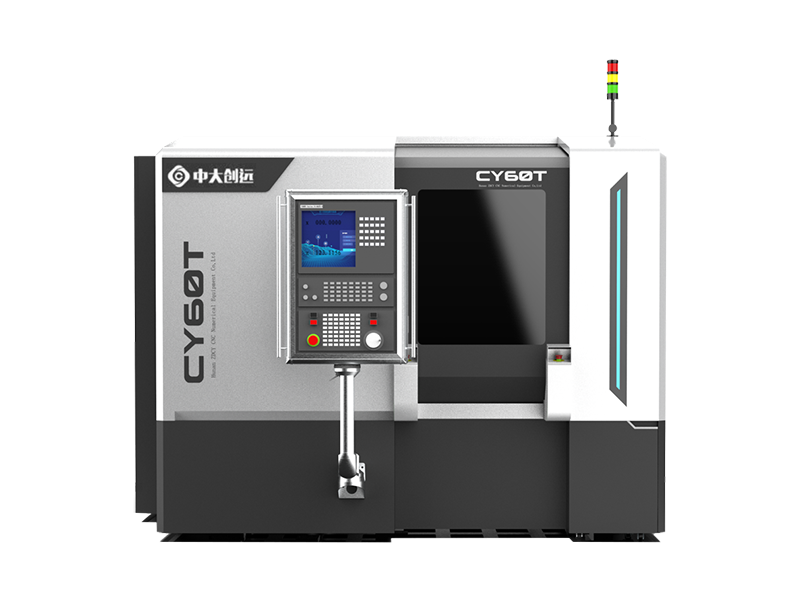
In high-precision gear manufacturing, ZDCY works with industries such as axle plants, gear factories and reducer producers to ensure consistent quality in final inspection processes. Their experience in spiral bevel gear grinding machines and spiral bevel gear testing machines supports stable production, while spiral bevel gear grinding methods are applied to achieve accurate tooth surface conditions before inspection. Final inspection is not only about measurement but also about confirming that machining outcomes meet engineering requirements and assembly needs.
Inspection Preparation for Gear Accuracy
Before inspection begins, ZDCY production teams usually ensure that component surfaces are stabilized after machining. The use of spiral bevel gear grinding machines helps reduce deviation in tooth geometry, allowing inspectors to evaluate parts under consistent conditions. Preparation also includes cleaning, alignment checks, and ensuring that measurement tools—such as a spiral bevel gear tester—are calibrated to avoid unnecessary variation in results.
Measurement and Verification in Grinding Processes
During measurement and verification, inspectors compare results from production with required tolerances. At this stage, spiral bevel gear grinding plays a key role in ensuring that surface contact patterns are uniform and within specification. ZDCY focuses on technical staff involvement, with most employees engaged in engineering and process optimization, which supports consistent inspection outcomes across different production batches.
Final Quality Control and Inspection Validation Process
In final quality control, inspectors confirm that each component meets design intent through structured evaluation steps. The process is closely connected with production technologies used by ZDCY, where consistency between machining and inspection is maintained across different applications. Equipment such as spiral bevel gear grinding machines supports stable finishing conditions before final checks, ensuring deviations are minimized. Similarly, spiral bevel gear grinding methods help maintain uniform tooth geometry, which is critical for long-term reliability in mechanical systems. Overall inspection practices highlight the importance of disciplined evaluation rather than assumptions during quality assurance processes. These practices ensure that inspection outcomes remain aligned with engineering requirements, helping industries maintain stable performance across demanding operating conditions. This approach supports reliable gear manufacturing workflows for complex drivetrain systems without unnecessary variation in final inspection results over time consistently.
