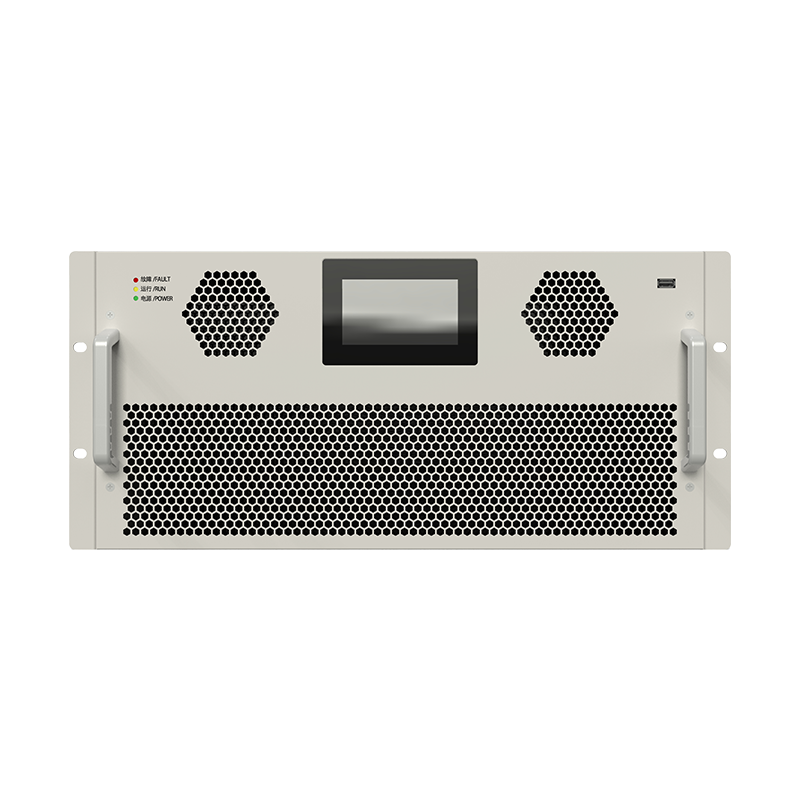
Industrial and commercial electrical systems are becoming more complex as facilities adopt more power electronic equipment, automation systems, and energy management technologies. These devices can improve productivity but may also introduce power quality challenges such as harmonic distortion, unstable current waveforms, and reduced system efficiency.
Choosing the right supplier is a critical step when companies plan to improve electrical performance. A suitable supplier should not only provide equipment but also understand the customer’s operating environment, analyze electrical problems, and recommend solutions that match actual requirements.
Before purchasing an active harmonic filter (AHF), buyers should evaluate several important factors, including technical capability, application experience, product performance, and long-term service support. Asking the right questions in advance can help companies avoid unsuitable solutions and make more informed investment decisions.
Evaluating Supplier Expertise and Technical Understanding
The first consideration when selecting a power quality supplier is technical expertise. Every industrial facility has different electrical characteristics, so suppliers should be able to understand the causes of power quality issues before suggesting specific products.
A professional supplier should begin with an analysis of the electrical system, including load types, operating conditions, harmonic sources, and compensation requirements. Instead of offering a standard product without evaluation, the supplier should explain why a particular solution is suitable for the customer’s application.
When reviewing an active harmonic filter (AHF) supplier, customers should ask questions such as how the supplier evaluates harmonic problems, what factors influence equipment selection, and how the proposed solution will integrate with the existing power distribution system.
Technical communication is especially important for facilities with sensitive equipment. Manufacturing plants, data centers, and commercial buildings may have different power quality priorities, meaning the supplier must understand the relationship between electrical conditions and operational requirements.
Enjoypowers provides power quality solutions designed for industrial and commercial applications, helping customers identify suitable approaches for managing electrical system challenges. The company focuses on matching technology selection with practical application needs rather than offering a one-size-fits-all approach.
Understanding Product Functions and Solution Compatibility
A reliable supplier should clearly explain how its products work and how they solve specific customer problems. Buyers should understand the purpose of different power quality technologies before making a purchasing decision.
An active harmonic filter (AHF) is commonly used to reduce harmonic currents created by nonlinear loads such as variable frequency drives, power converters, and other electronic equipment. By compensating unwanted harmonic components, it can help improve the quality of electrical power within a facility.
However, harmonic problems are only one part of power management. Some customers may also experience challenges related to reactive power demand, voltage stability, or rapidly changing loads. In these situations, suppliers should be able to explain whether another technology or a combined solution is more appropriate.
For example, a static var generator (SVG) is designed for dynamic reactive power compensation and can help manage power factor and reactive current changes. Understanding the difference between these technologies allows customers to select solutions based on their actual electrical requirements.
When evaluating suppliers, buyers should ask whether the company can provide a complete power quality assessment and explain the advantages and limitations of different solutions. A supplier with strong technical knowledge should focus on solving the customer’s problem rather than simply promoting a specific product.
Assessing Service Capability and Project Support
Product performance is important, but supplier service capability also plays a major role in project success. Power quality improvement projects often involve system evaluation, installation planning, commissioning, and future maintenance considerations.
Before purchasing, customers should ask suppliers about their support process. Important questions may include whether technical guidance is available before installation, how the supplier helps with system integration, and what type of assistance is provided after delivery.
A supplier with good project support can help customers reduce implementation risks. This is particularly valuable for industrial facilities where unexpected electrical issues can affect production processes and equipment operation.
Customers should also evaluate whether the supplier can provide flexible solutions according to different application environments. Electrical systems may change over time due to production expansion, new equipment installation, or increasing energy management requirements. A supplier that understands long-term customer needs can provide more practical recommendations.
Enjoypowers supports customers by offering power quality technologies and professional guidance for different industrial and commercial applications. Through application-based recommendations, the company helps customers evaluate suitable solutions according to their electrical system conditions.
Reviewing Reliability and Long-Term Value Before Purchase
A purchasing decision should consider more than the initial equipment cost. Customers should evaluate the overall value of the solution, including product reliability, technical support, and suitability for long-term operation.
Before selecting a supplier, buyers should review available technical information and confirm whether the proposed equipment meets their operational requirements. Key considerations include installation conditions, system compatibility, protection features, and expected operating environment.
A qualified supplier should provide clear explanations about product design and application methods. Customers should feel confident that the selected solution can operate effectively within their specific electrical system.
It is also important to consider future needs. As businesses continue to improve energy efficiency and digitalize operations, power quality requirements may become more complex. A supplier that understands evolving industrial demands can provide solutions that remain suitable as systems develop.
A static var generator (SVG), for example, may become an important consideration for facilities that require dynamic reactive power management alongside other power quality improvements. Suppliers should help customers understand these options and choose technologies based on actual conditions.
Conclusion: Asking the Right Questions Leads to Better Decisions
Selecting the right power quality supplier requires careful evaluation of technical knowledge, product suitability, service capability, and long-term support. Companies should not only compare equipment specifications but also consider whether the supplier understands their electrical challenges.
Before purchasing an active harmonic filter (AHF), customers should ask detailed questions about system analysis, application experience, and solution design. A supplier that provides clear technical explanations and practical recommendations can help businesses achieve more reliable electrical performance.
Technologies such as harmonic filtering and static var generator (SVG) solutions can support modern power management when applied correctly. By evaluating suppliers carefully and focusing on actual system requirements, companies can make better purchasing decisions and improve the stability of their electrical infrastructure.
Enjoypowers continues to provide power quality solutions for industrial and commercial users, helping customers address electrical challenges through appropriate technologies and professional support. A thoughtful supplier evaluation process allows businesses to invest in solutions that better support their operational goals.
