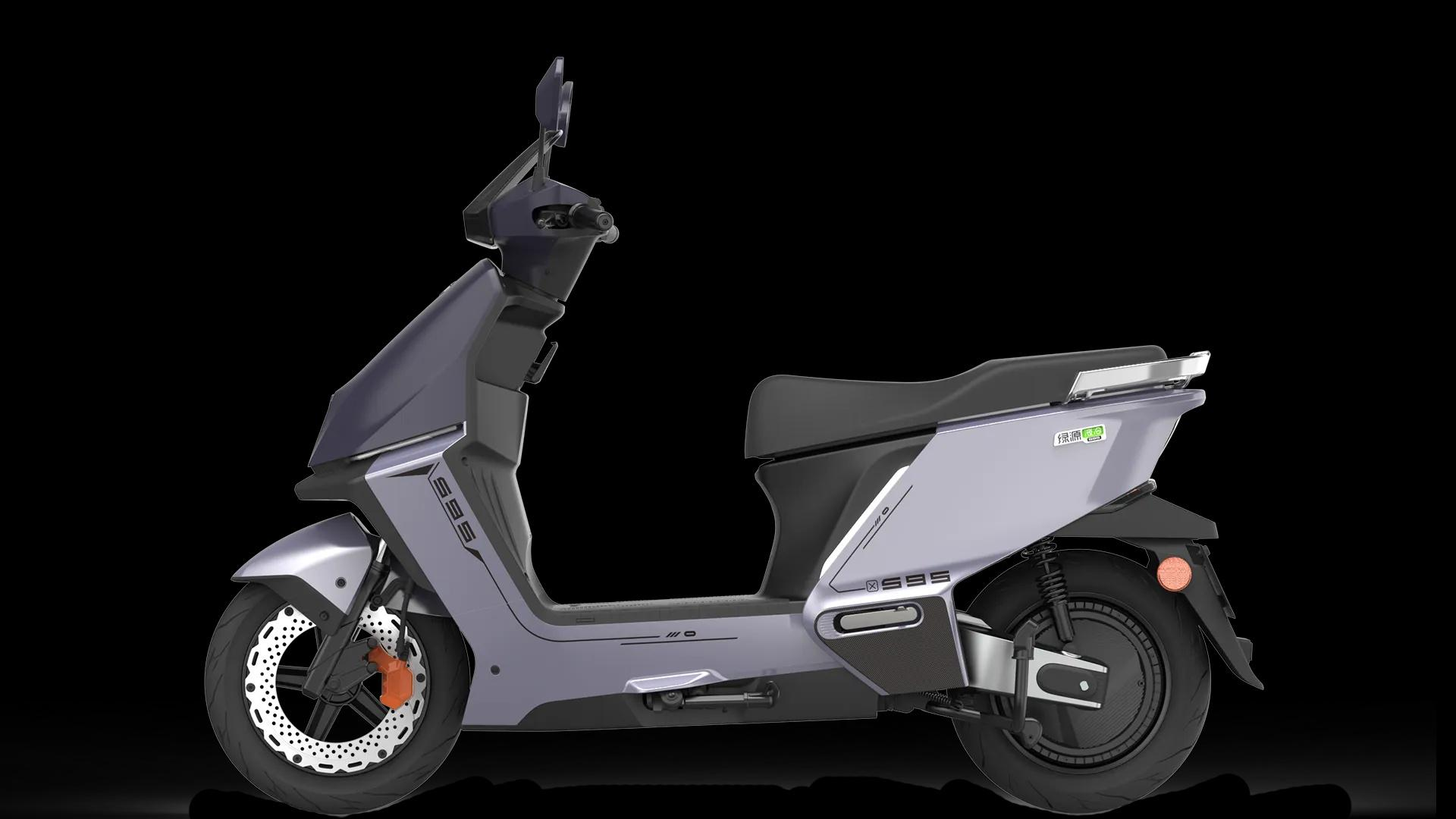
Urban mobility platforms face a persistent technical hurdle: thermal accumulation. Prolonged operation generates immense heat within wheel hubs, directly causing magnetic degradation and drastically reducing overall travel range. For commercial distributors and wholesale dealers building a sustainable retail inventory, mitigating this physical deterioration is paramount.
Evaluating the engineering standards of different electric scooter manufacturers becomes an essential first step in procurement. Brands like LUYUAN understand that implementing precise thermal regulation extends fleet lifespan, significantly decreasing post-sale maintenance costs and preserving client trust. Understanding the internal thermal dynamics of two-wheeled transit provides a critical advantage for B2B enterprises looking to dominate the modern commuter market with highly reliable, long-lasting hardware.
Overcoming Thermal Degradation in Wheel Hubs
Traditional air-vented mechanisms frequently struggle during peak urban transit periods. Stop-and-go traffic, combined with steep environmental gradients, forces drivetrains to operate at maximum capacity, rapidly elevating internal temperatures. To counter this fundamental physics problem, forward-thinking electric scooter manufacturers have developed the highly efficient electric motor liquid cooling system. Unlike passive air circulation, this internal architecture utilizes a specially formulated, aerospace-grade coolant completely sealed within the casing. By continuously absorbing and redistributing thermal energy away from vital magnetic coils, this mechanism successfully achieves a remarkable 30℃ heat drop under heavy operational loads.
Maintaining internal temperatures within an optimal window effectively eliminates the pervasive risk of high-temperature demagnetization. Furthermore, this internal fluid barrier functions as a robust protective shield against moisture penetration, achieving an IPX8 waterproof rating. This completely halts the oxidation and internal rust that typically destroy conventional drivetrains over time, drastically reducing the warranty claim rates that often plague retail distributors.
Hardware Engineered for Rigorous Daily Transit
When sourcing commercial inventory, bulk buyers must meticulously scrutinize how raw specifications translate to street-level endurance. A prime example of this industrial application is the integration of a 12-inch fully enclosed liquid cooled motor into modern chassis architectures. By sustaining a core temperature vastly lower than standard industry norms, the drivetrain consistently operates at a continuous efficiency rate exceeding 90%. This translates directly to a significantly prolonged travel range per charge, avoiding the sudden power fading that is highly typical of overheated, air-cooled units. Such sustained, uncompromised torque output allows these specific vehicles to achieve an impressive 60-degree climbing capability. They can effortlessly conquer steep commercial parking ramps and mountainous suburban terrains without stalling. This highly consistent performance ensures that end-users do not experience unexpected power throttling during their daily travels, a critical factor for maintaining brand loyalty and driving positive word-of-mouth in highly competitive retail sectors.
Integrating Aerodynamics and Structural Stability
A highly efficient drivetrain necessitates an equally refined physical structure to maximize energy conservation. Contemporary two-wheelers employ a sophisticated sci-fi arc body aesthetic, which is specifically sculpted to minimize aerodynamic resistance. Lowering wind drag means the propulsion system expends noticeably less energy fighting ambient air friction, further stretching the operational battery range. Additionally, physical stability metrics are deeply intertwined with energy utilization.
By outfitting the chassis with combined braking systems (CBS) operating alongside traction control systems (TCS), the architecture guarantees exceptional grip on slippery or heavily damaged asphalt. This prevents wheel spin, ensuring that every single rotation generated is efficiently converted into forward momentum. To complement this mechanical stability, a five-level adjustable adaptive shock absorption framework and anatomically designed seating guarantee physical comfort. By isolating the rider from harsh road vibrations, the vehicle ensures a premium commuter experience that drives repeat dealership visits.
Smart Connectivity and System Protection
Beyond mechanical propulsion, the modern urban commuter demands intelligent ecosystem integration. Sophisticated models now feature a proprietary digital battery maintenance protocol. This system actively monitors cell health, ensuring the power supply synergizes perfectly with the thermally regulated hardware. Furthermore, partnering with premium electric scooter manufacturers grants access to a 4G smart internet connection ecosystem, enabling the real-time transmission of crucial vehicular data. This allows riders and fleet operators to monitor exact GPS location and operational metrics instantaneously.
From a B2B perspective, this diagnostic transparency streamlines warranty servicing and allows dealerships to offer highly profitable, proactive maintenance packages. Safety during low-light operation remains another non-negotiable metric for mass-market adoption. Implementing a 360-degree full-view lighting array ensures maximum visibility from all conceivable angles. Because the core drivetrain operates with such high efficiency, drawing electricity for these essential auxiliary diagnostic and lighting systems does not compromise the vehicle’s overall travel distance.
Sourcing from Proven Production Infrastructures
For wholesale distributors, acquiring superior hardware is only half the equation; the other half heavily relies on absolute supply chain dependability. Aligning with established factories guarantees access to massively scaled production capabilities and incredibly strict quality control standards. LUYUAN perfectly exemplifies this by backing their innovative liquid cooled motor technology with a highly predictable delivery window of exactly 30 working days. This rapid, reliable turnaround allows international dealers to manage their local inventory aggressively without fearing sudden stock shortages.
Furthermore, penetrating diverse global markets requires strict adherence to localized safety legislations. Comprehensive manufacturing portfolios containing EEC complete vehicle certifications, CE documentation, E-MARK, and EN 15194 product certificates instantly remove bureaucratic import hurdles. By procuring hardware that actively solves thermal degradation, supported by ironclad manufacturing credentials, B2B enterprises can confidently dominate their respective regional mobility markets.
